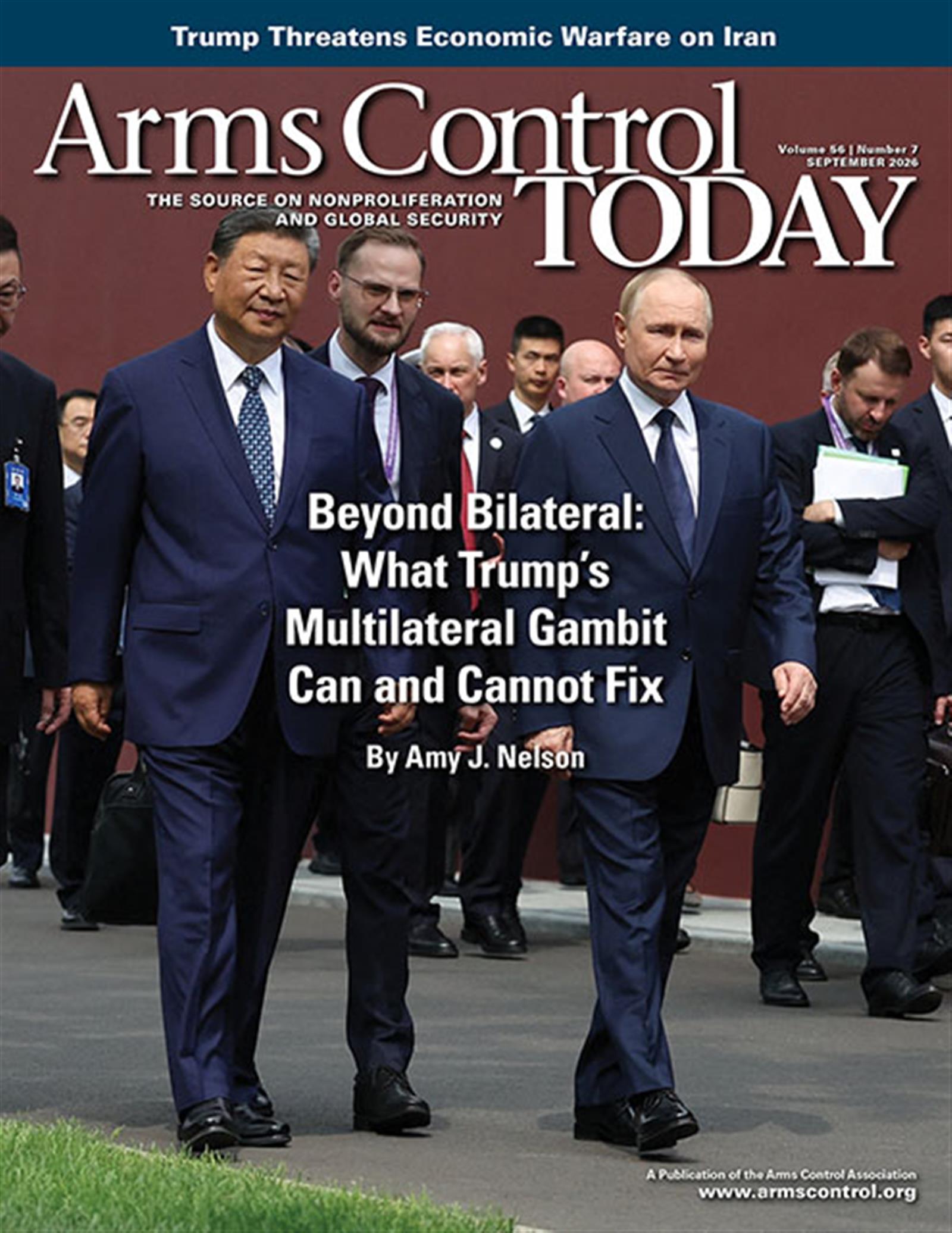



AI and the Nuclear Balance of Terror
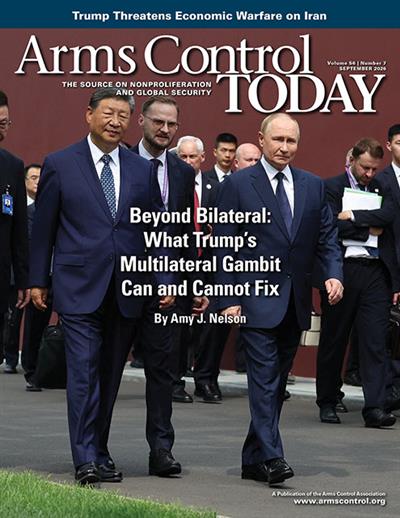
As nuclear risks grow, the US, China and Russia increasingly integrate AI into nuclear command systems, raising concerns over automation bias and shrinking decision time. The "human in the loop" principle is deemed necessary but insufficient without binding rules. Experts urge formal commitments, technical safeguards, and bilateral dialogue between Trump and Xi to reduce nuclear risk.
Nobel Laureates Call for Slowing AI, Nuclear Arms Races
As nuclear risks grow, the US, China and Russia increasingly integrate AI into nuclear command systems, raising concerns over automation bias and shrinking decision time. The "human in the loop" principle is deemed necessary but insufficient without binding rules. Experts urge formal commitments, technical safeguards, and bilateral dialogue between Trump and Xi to reduce nuclear risk.
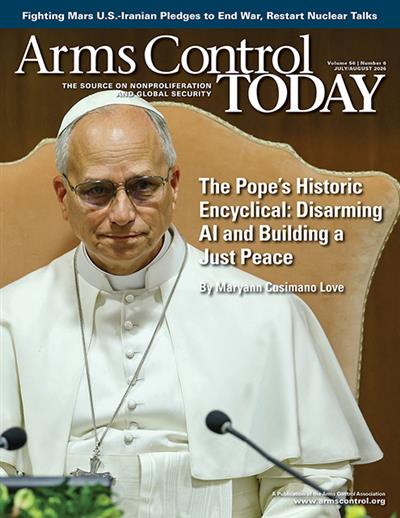
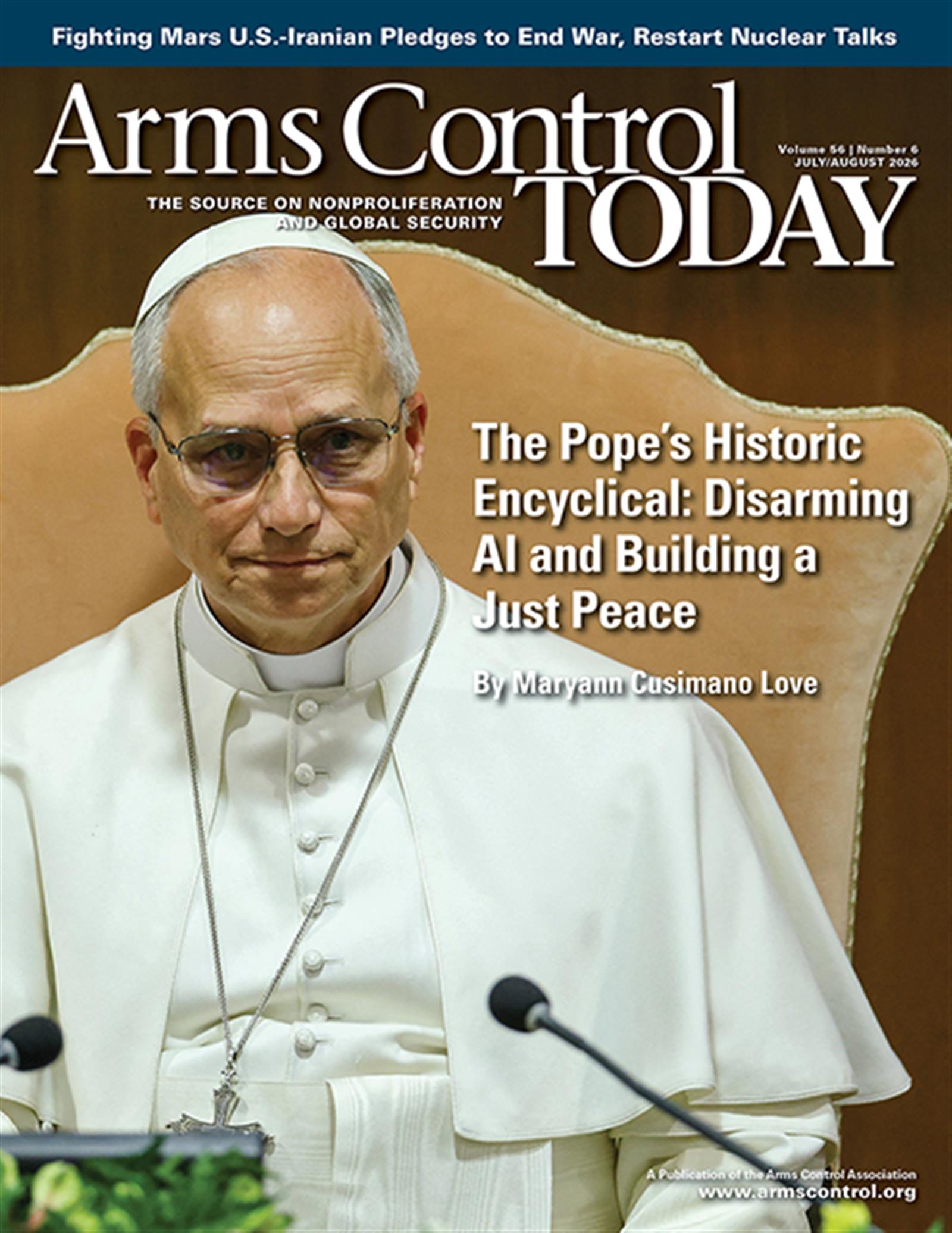
The Pope’s Historic Encyclical: Disarming AI and Building a Just Peace
Pope Leo XIV calls in his encyclical Magnifica Humanitas for stronger ethical oversight of artificial intelligence and warns against concentrating technological power in the hands of a few actors. He argues that AI must serve humanity and that military applications require clear human responsibility and control. The text links digital transformation with peace policy, disarmament, and international cooperation.
Fighting Mars U.S.-Iranian Pledges to End War, Restart Nuclear Talks
The United States and Iran are negotiating an end to the war and a new nuclear agreement following a ceasefire. The talks focus on Iran’s nuclear program, sanctions, and international monitoring. At the same time, political differences, security interests, and ongoing tensions complicate efforts to achieve a lasting diplomatic solution in the Middle East.
Trump Says U.S., Iran Close to Deal
The United States and Iran appear close to reaching an agreement to end hostilities and reopen the Strait of Hormuz. However, Iranian officials emphasise that a final deal is not imminent. Key issues, particularly uranium enrichment and highly enriched material, remain unresolved, while ongoing tensions and military incidents continue to complicate negotiations.
Democratic Lawmakers Challenge U.S. Policy on Israeli Nuclear Weapons
Around 30 Democratic members of the U.S. House of Representatives are calling for greater transparency regarding Israel’s undeclared nuclear weapons program. They criticize the longstanding U.S. policy of ambiguity and highlight inconsistencies in nonproliferation policy, particularly in the context of the Iran conflict. Israel continues to maintain its strategy of nuclear ambiguity.
UK to Purchase F-35As and Join NATO Nuclear Mission
The United Kingdom is expanding its previously sea-based nuclear force by purchasing at least twelve nuclear-capable F-35A jets for NATO’s nuclear mission. The aircraft reintroduce a nuclear role for the Royal Air Force and are viewed as a setback to disarmament, reflecting European efforts to bolster independent nuclear deterrence amid Russian nuclear threats and uncertainty over continued U.S. security guarantees.
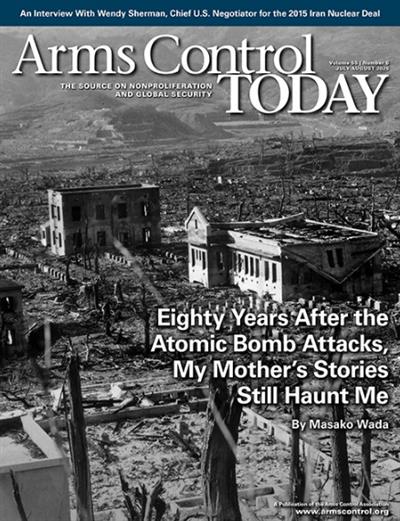
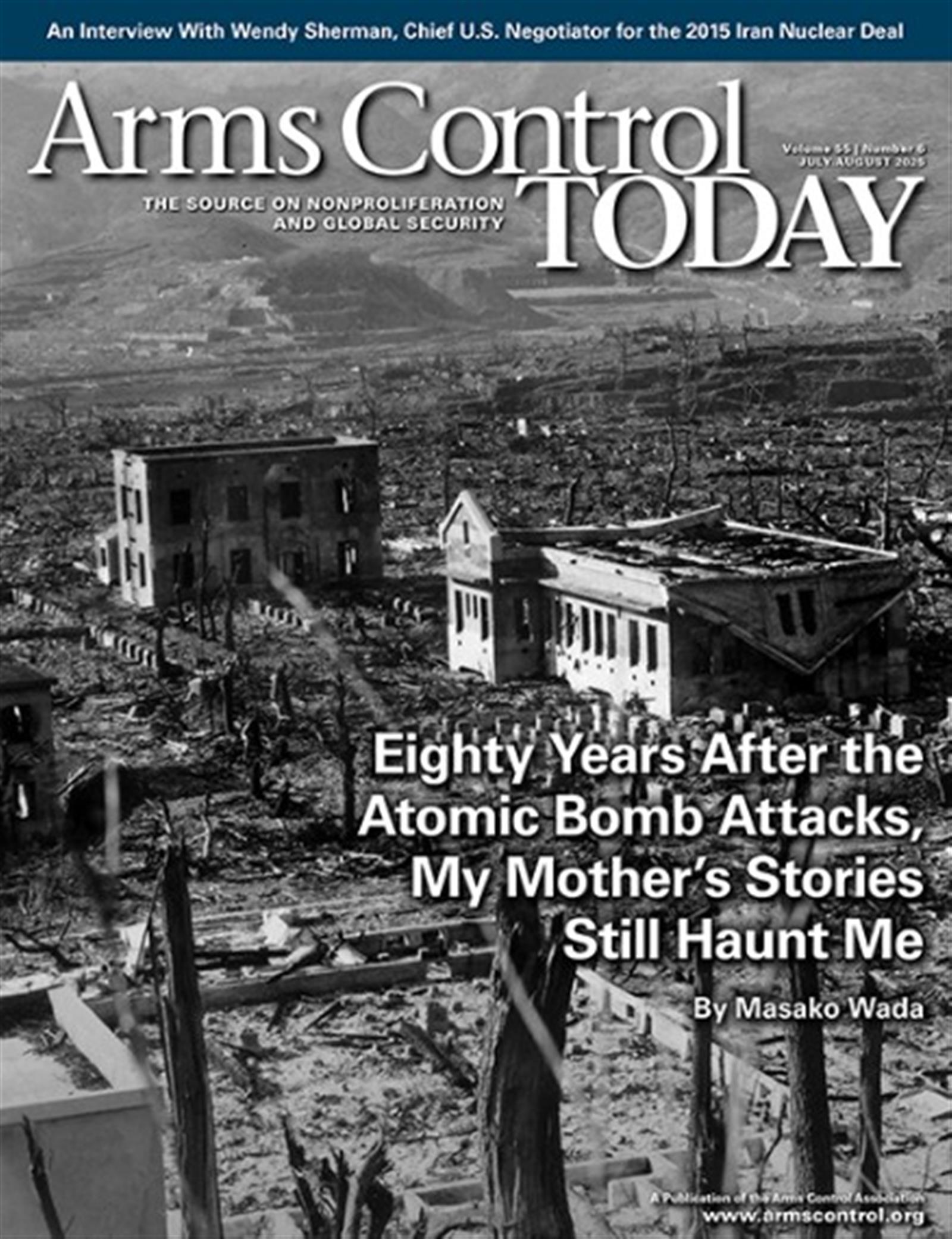
What Happens Now With Iran? An Interview With Wendy Sherman, Chief U.S. Negotiator for the 2015 Iran Nuclear Deal
U.S. policy on Iran’s nuclear program has shifted among threats of force, sanctions, diplomacy, and military action. The 2015 JCPOA imposed strict limits but was abandoned by President Trump in 2018 without a replacement. Despite renewed “maximum pressure,” indirect talks, and joint U.S.-Israeli strikes, no evidence of weaponization exists. Future outcomes hinge on choices by Israel, Iran, the United States, and other key states.
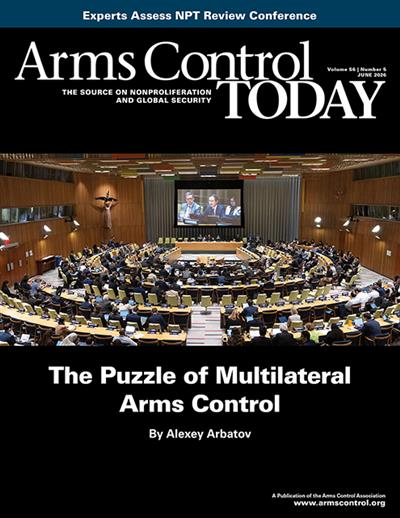
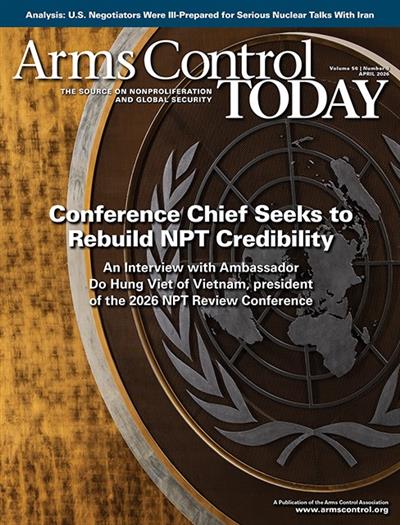
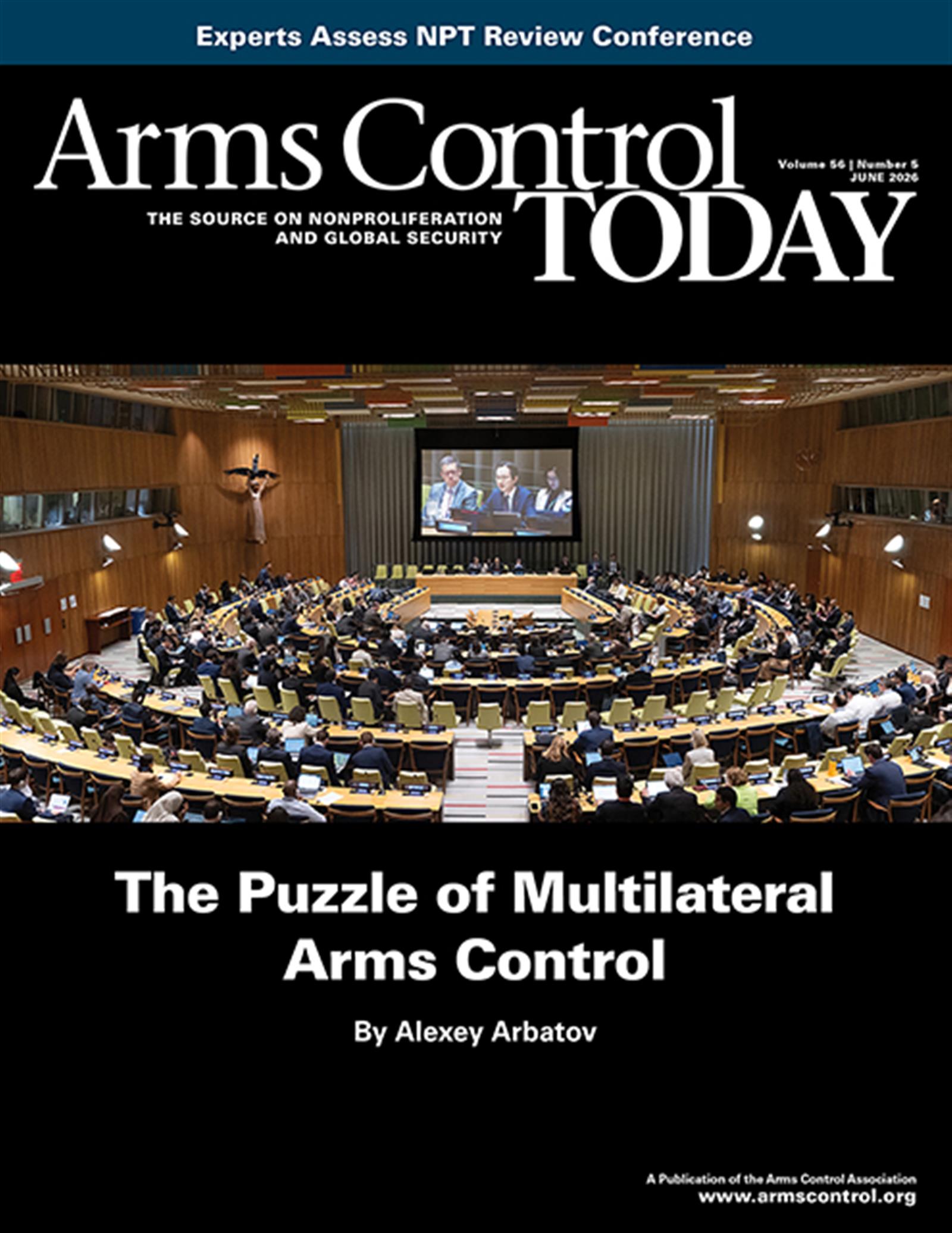
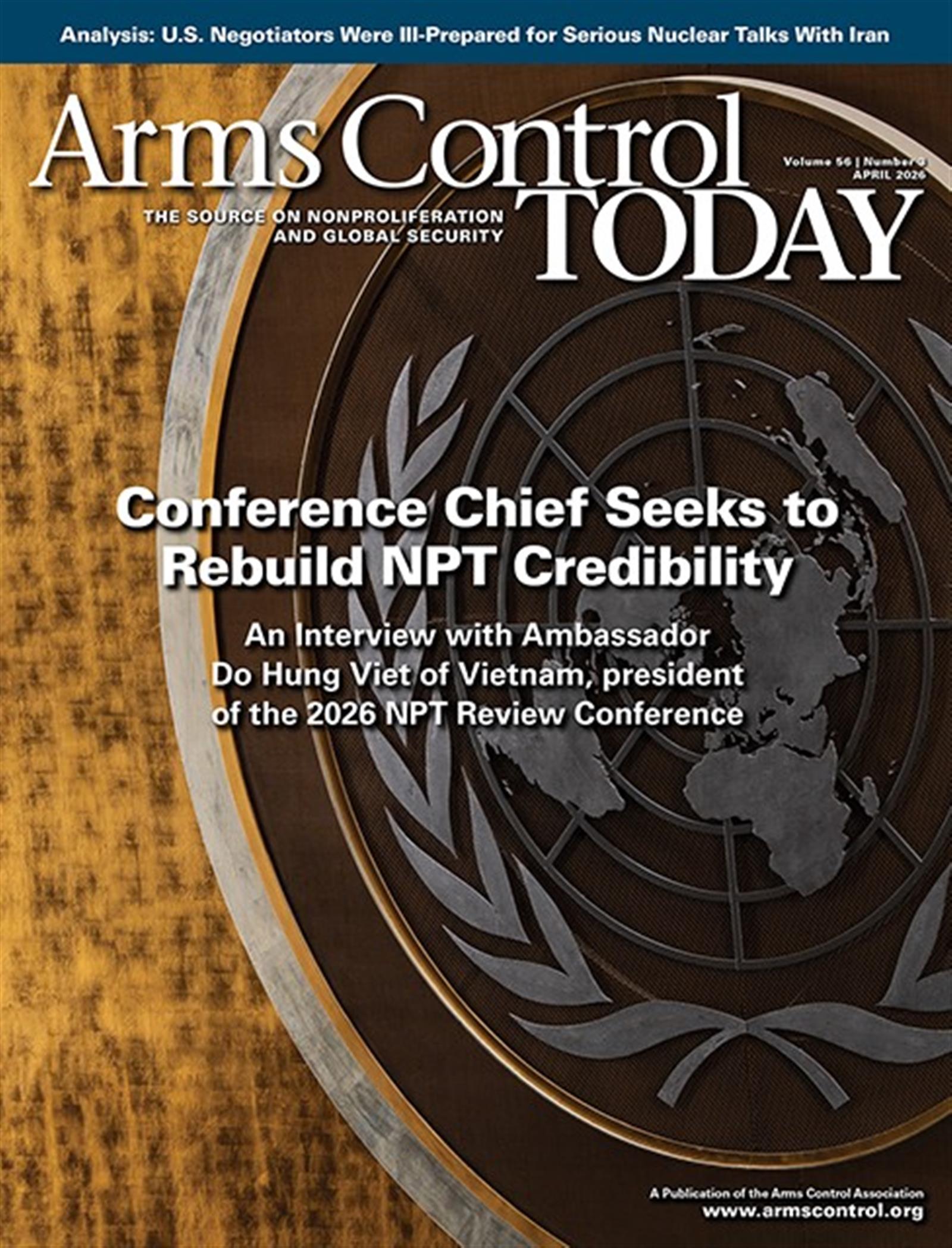
Conference Chief Seeks to Rebuild NPT Credibility: An Interview with Ambassador Do Hung Viet of Vietnam, president of the 2026 NPT Review Conference
The interview with Ambassador Do Hung Viet, President of the 2026 NPT Review Conference, focuses on efforts to strengthen the credibility and effectiveness of the Nuclear Non-Proliferation Treaty (NPT). He emphasizes the importance of rebuilding trust among member states, addressing ongoing compliance and disarmament challenges, and fostering constructive dialogue to reinforce the treaty’s role in global nuclear governance.
Analysis: U.S. Negotiators Were Ill-Prepared for Serious Nuclear Talks With Iran
The analysis provides an overview of the conduct and contextual framework of U.S.–Iran nuclear negotiations, with particular emphasis on U.S. diplomatic preparation and negotiation strategy. It addresses assessments of procedural organization, domestic political decision-making, and the structural constraints shaping talks on Iran’s nuclear programme.
Arms Control Today ist eine monatliche Fachzeitschrift der Arms Control Association, die sich mit Rüstungskontrolle, Nichtverbreitung und Abrüstung befasst. Das Magazin bietet Analysen, Hintergrundberichte und Interviews von Experten zu internationalen Verträgen, Atomwaffen, Raketenabwehr und Sicherheitsdoktrinen. Für Leser, die wissen wollen, ob eine Quelle verlässlich ist, erweist sich Arms Control Today oft als ein informatives und kritisches Magazin; es verbindet wissenschaftliche Genauigkeit mit verständlicher Darstellung aktueller politischer Entwicklungen und bietet Entscheidern, Forschern und Interessierten fundierte Einblicke in komplexe sicherheitspolitische Fragestellungen.
Die Zeitschrift Arms Control Today bietet fundierte Berichte zu Abrüstung, Nichtverbreitung, Waffenverifikation und Rüstungskontrolle, kombiniert mit aktueller Nachrichtenberichterstattung, Expert*innenanalysen und Hintergrundartikeln. Es beleuchtet internationale Verträge, regionale Krisen, technologische Entwicklungen und politische Debatten, ergänzt durch Interviews, Karten und Dossiers. Leser erhalten sachliche Einschätzungen zu Sanktionen, Inspektionen und politischen Strategien sowie Empfehlungen für Entscheidungsträger und Wissenschaftler - ideal für alle, die sich tiefgehend und verlässlich über sicherheitspolitische Themen informieren wollen.
Das Magazin Arms Control Today ist wirklich interessant für Politik- und Sicherheitsfachleute, Diplomaten, Forschende sowie Studierende der internationalen Beziehungen und Friedensforschung. Auch Journalisten, Entscheidungsträger und NGOs, die sich mit Rüstungskontrolle, Abrüstung und Nichtverbreitung befassen, profitieren von fundierten Analysen und aktuellen Berichten. Wer tiefergehende, verlässliche Informationen und fachliche Einordnung zu Waffentechnik, Verträgen und geopolitischen Auswirkungen sucht, sollte Arms Control Today lesen.
Der Verlag hinter dem Magazin Arms Control Today ist Arms Control Association (ACA), der sich auf Rüstungskontrolle und internationale Sicherheit spezialisiert hat. Als Herausgeber stellt er sicher, dass das Magazin fundierte Analysen, aktuelle Berichte und Expertenkommentare bietet. Mit strengem redaktionellen Anspruch, unabhängiger Forschung und globalem Netzwerk unterstützt der Verlag politische Debatten und informiert Fachpublikum sowie interessierte Leser über Entwicklungen in Abrüstungsfragen und Nichtverbreitung.
AI and the Nuclear Balance of Terror
As nuclear risks grow, the US, China and Russia increasingly integrate AI into nuclear command systems, raising concerns over automation bias and shrinking decision time. The "human in the loop" principle is deemed necessary but insufficient without binding rules. Experts urge formal commitments, technical safeguards, and bilateral dialogue between Trump and Xi to reduce nuclear risk.
Nobel Laureates Call for Slowing AI, Nuclear Arms Races
As nuclear risks grow, the US, China and Russia increasingly integrate AI into nuclear command systems, raising concerns over automation bias and shrinking decision time. The "human in the loop" principle is deemed necessary but insufficient without binding rules. Experts urge formal commitments, technical safeguards, and bilateral dialogue between Trump and Xi to reduce nuclear risk.
The Pope’s Historic Encyclical: Disarming AI and Building a Just Peace
Pope Leo XIV calls in his encyclical Magnifica Humanitas for stronger ethical oversight of artificial intelligence and warns against concentrating technological power in the hands of a few actors. He argues that AI must serve humanity and that military applications require clear human responsibility and control. The text links digital transformation with peace policy, disarmament, and international cooperation.
Fighting Mars U.S.-Iranian Pledges to End War, Restart Nuclear Talks
The United States and Iran are negotiating an end to the war and a new nuclear agreement following a ceasefire. The talks focus on Iran’s nuclear program, sanctions, and international monitoring. At the same time, political differences, security interests, and ongoing tensions complicate efforts to achieve a lasting diplomatic solution in the Middle East.
Trump Says U.S., Iran Close to Deal
The United States and Iran appear close to reaching an agreement to end hostilities and reopen the Strait of Hormuz. However, Iranian officials emphasise that a final deal is not imminent. Key issues, particularly uranium enrichment and highly enriched material, remain unresolved, while ongoing tensions and military incidents continue to complicate negotiations.
Democratic Lawmakers Challenge U.S. Policy on Israeli Nuclear Weapons
Around 30 Democratic members of the U.S. House of Representatives are calling for greater transparency regarding Israel’s undeclared nuclear weapons program. They criticize the longstanding U.S. policy of ambiguity and highlight inconsistencies in nonproliferation policy, particularly in the context of the Iran conflict. Israel continues to maintain its strategy of nuclear ambiguity.
UK to Purchase F-35As and Join NATO Nuclear Mission
The United Kingdom is expanding its previously sea-based nuclear force by purchasing at least twelve nuclear-capable F-35A jets for NATO’s nuclear mission. The aircraft reintroduce a nuclear role for the Royal Air Force and are viewed as a setback to disarmament, reflecting European efforts to bolster independent nuclear deterrence amid Russian nuclear threats and uncertainty over continued U.S. security guarantees.
What Happens Now With Iran? An Interview With Wendy Sherman, Chief U.S. Negotiator for the 2015 Iran Nuclear Deal
U.S. policy on Iran’s nuclear program has shifted among threats of force, sanctions, diplomacy, and military action. The 2015 JCPOA imposed strict limits but was abandoned by President Trump in 2018 without a replacement. Despite renewed “maximum pressure,” indirect talks, and joint U.S.-Israeli strikes, no evidence of weaponization exists. Future outcomes hinge on choices by Israel, Iran, the United States, and other key states.
Conference Chief Seeks to Rebuild NPT Credibility: An Interview with Ambassador Do Hung Viet of Vietnam, president of the 2026 NPT Review Conference
The interview with Ambassador Do Hung Viet, President of the 2026 NPT Review Conference, focuses on efforts to strengthen the credibility and effectiveness of the Nuclear Non-Proliferation Treaty (NPT). He emphasizes the importance of rebuilding trust among member states, addressing ongoing compliance and disarmament challenges, and fostering constructive dialogue to reinforce the treaty’s role in global nuclear governance.
Analysis: U.S. Negotiators Were Ill-Prepared for Serious Nuclear Talks With Iran
The analysis provides an overview of the conduct and contextual framework of U.S.–Iran nuclear negotiations, with particular emphasis on U.S. diplomatic preparation and negotiation strategy. It addresses assessments of procedural organization, domestic political decision-making, and the structural constraints shaping talks on Iran’s nuclear programme.
Arms Control Today ist eine monatliche Fachzeitschrift der Arms Control Association, die sich mit Rüstungskontrolle, Nichtverbreitung und Abrüstung befasst. Das Magazin bietet Analysen, Hintergrundberichte und Interviews von Experten zu internationalen Verträgen, Atomwaffen, Raketenabwehr und Sicherheitsdoktrinen. Für Leser, die wissen wollen, ob eine Quelle verlässlich ist, erweist sich Arms Control Today oft als ein informatives und kritisches Magazin; es verbindet wissenschaftliche Genauigkeit mit verständlicher Darstellung aktueller politischer Entwicklungen und bietet Entscheidern, Forschern und Interessierten fundierte Einblicke in komplexe sicherheitspolitische Fragestellungen.
Die Zeitschrift Arms Control Today bietet fundierte Berichte zu Abrüstung, Nichtverbreitung, Waffenverifikation und Rüstungskontrolle, kombiniert mit aktueller Nachrichtenberichterstattung, Expert*innenanalysen und Hintergrundartikeln. Es beleuchtet internationale Verträge, regionale Krisen, technologische Entwicklungen und politische Debatten, ergänzt durch Interviews, Karten und Dossiers. Leser erhalten sachliche Einschätzungen zu Sanktionen, Inspektionen und politischen Strategien sowie Empfehlungen für Entscheidungsträger und Wissenschaftler - ideal für alle, die sich tiefgehend und verlässlich über sicherheitspolitische Themen informieren wollen.
Das Magazin Arms Control Today ist wirklich interessant für Politik- und Sicherheitsfachleute, Diplomaten, Forschende sowie Studierende der internationalen Beziehungen und Friedensforschung. Auch Journalisten, Entscheidungsträger und NGOs, die sich mit Rüstungskontrolle, Abrüstung und Nichtverbreitung befassen, profitieren von fundierten Analysen und aktuellen Berichten. Wer tiefergehende, verlässliche Informationen und fachliche Einordnung zu Waffentechnik, Verträgen und geopolitischen Auswirkungen sucht, sollte Arms Control Today lesen.
Der Verlag hinter dem Magazin Arms Control Today ist Arms Control Association (ACA), der sich auf Rüstungskontrolle und internationale Sicherheit spezialisiert hat. Als Herausgeber stellt er sicher, dass das Magazin fundierte Analysen, aktuelle Berichte und Expertenkommentare bietet. Mit strengem redaktionellen Anspruch, unabhängiger Forschung und globalem Netzwerk unterstützt der Verlag politische Debatten und informiert Fachpublikum sowie interessierte Leser über Entwicklungen in Abrüstungsfragen und Nichtverbreitung.
 4,44
4,71
4,40
4,71
4,43
4,88
5,00
4,56
4,75
4,75
4,40
4,63
4,67
4,76
4,22
4,61
4,59
4,77
4,80
4,83
4,79
4,14
4,77
4,55
4,36
4,75
4,17
4,60
5,00
4,73
4,44
4,71
4,40
4,71
4,43
4,88
5,00
4,56
4,75
4,75
4,40
4,63
4,67
4,76
4,22
4,61
4,59
4,77
4,80
4,83
4,79
4,14
4,77
4,55
4,36
4,75
4,17
4,60
5,00
4,73