


Reading Ramie from Plant to Fabric: Knowledge and Representation in Botanical Drawings
Ramie, a fiber plant central to Asian textile history, is examined through botanical illustrations from Asia and Europe compared against twenty-first-century botanical knowledge. Depictions of the plant and fiber-extraction process largely align with modern understanding but diverge in notable ways. These differences reveal scientific, political, and commercial motives behind how illustrators chose to represent the plant.
On the Uses of Whale Bodies for History
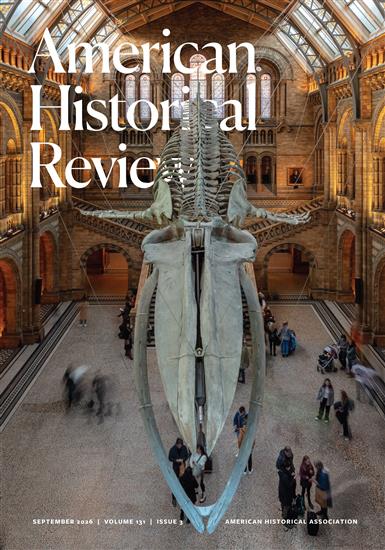
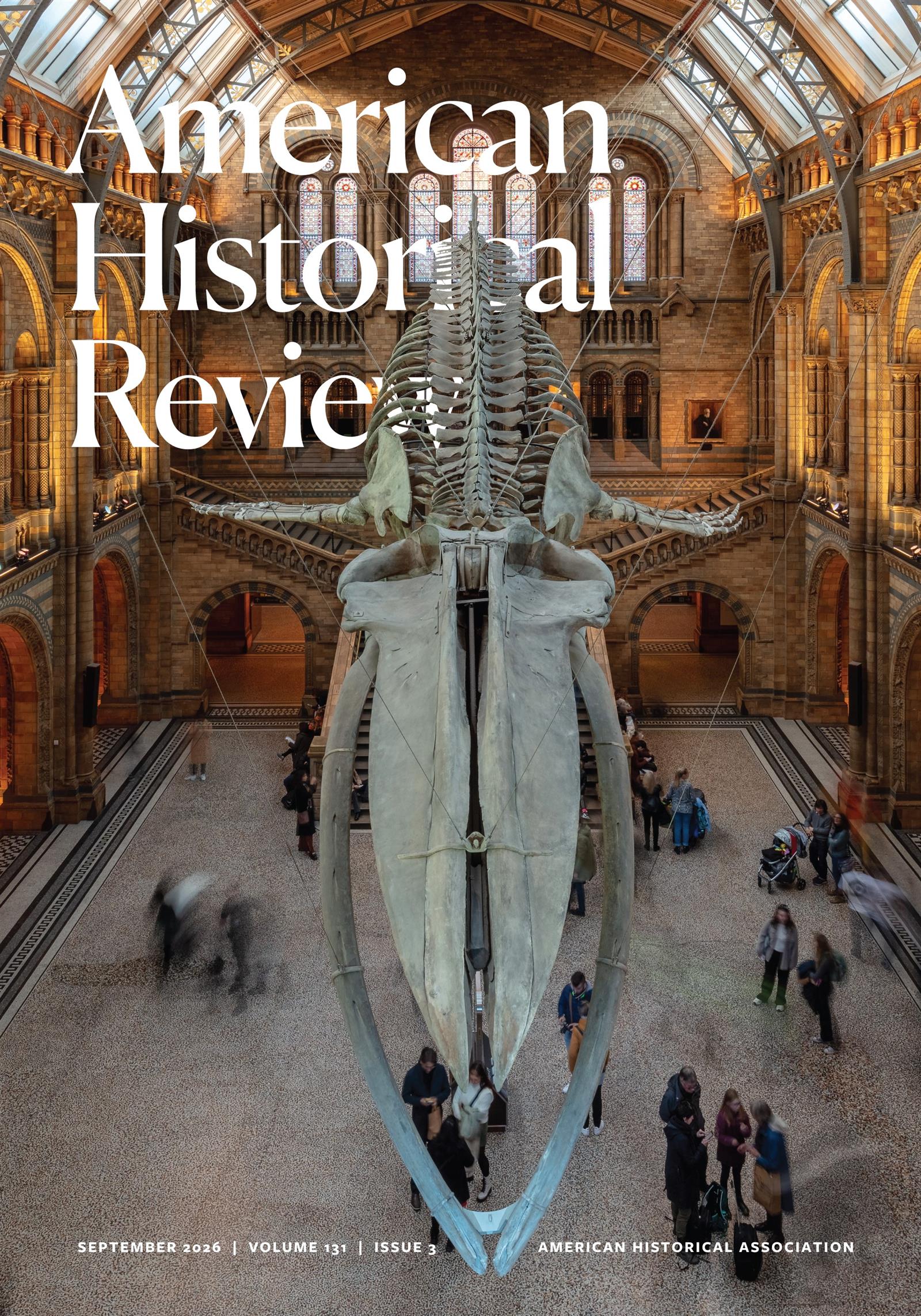
Whales leave no written records, but their bones, teeth, baleen, and earwax plugs preserve individual life details and evidence of their societies. Recent paleobiological research draws on these biological archives to trace migrations, diets, companions, and emotional states of whale societies across decades and centuries, expanding historical analysis to include non-human animals as subjects in their own right.
Children’s Toys
Four children's toys manufactured in England before the American Revolutionary War and later excavated from a British military encampment in New York provide evidence of the presence of children in military camps. These artefacts offer insights into the everyday lives of the so-called camp followers, the family members who accompanied soldiers during military campaigns.
A Soldier’s Annotated Declaration
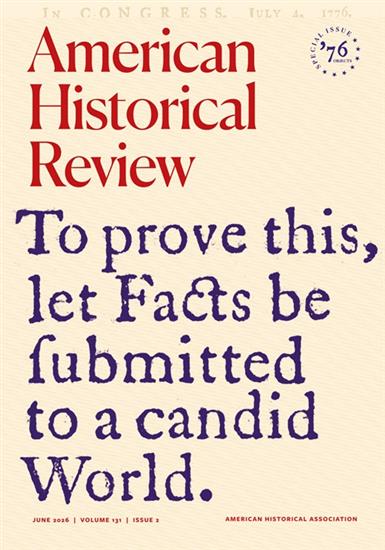
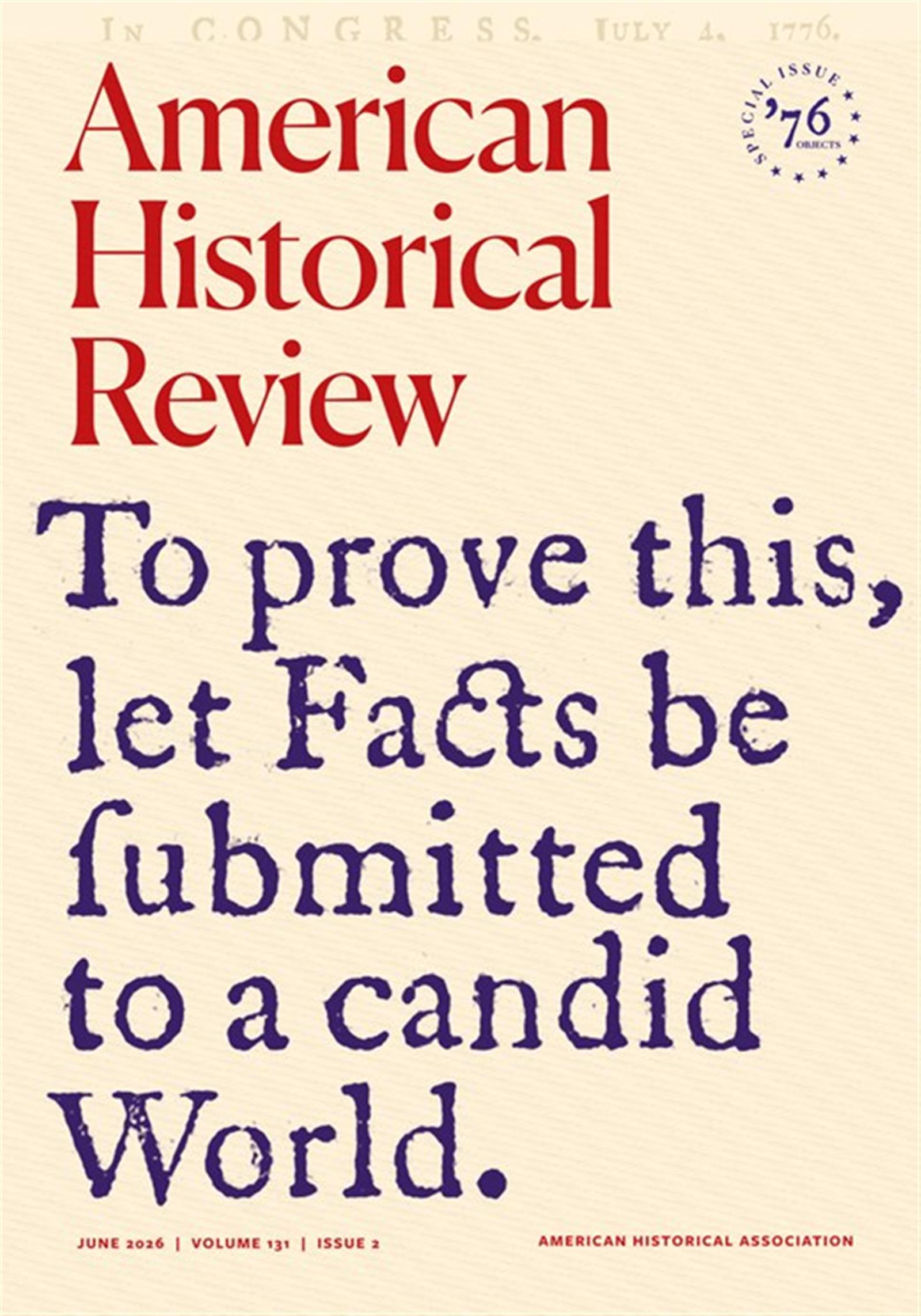
Daniel Gould’s personal copy of the Declaration of Independence offers insight into the significance of revolutionary ideas for ordinary Continental soldiers. Signed by Gould himself, the document illustrates the individual appropriation of the Declaration and highlights its role as both a political and identity-forming symbol during the American Revolutionary War.
Trafficked into Oblivion: Indigenous Women and the Politics of Maternalism in Nineteenth-Century Buenos Aires, Argentina
Examines the experiences of Indigenous women forced into unfree domestic labor in elite Buenos Aires households in the late nineteenth century. Collaboration between the Army, Ministry of War, and Sociedad de Beneficencia relied on racialized, gender:based moral discourse to justify coercion. Resistant Indigenous women publicly challenged abuse, unsettling state power, definitions of citizenship, and national belonging.
Sectarian Conflicts, Ideological Biases, and Professional Standards: History Writing and Politics in Seventeenth-Century Catholic Europe
Focuses on Dominican friar Abraham Bzovius (1567–1637), commissioned by Pope Paul V to continue Cesare Baronio’s Annales Ecclesiastici. His twelve additional volumes sparked intense controversy, censorship, revisions, and blocked publications. Analyzes the political dimensions of his history writing and what this reveals about the entanglement of politics and historiography in seventeenth-century Catholicism and in the present.
Revisiting the “Comfort Girls” of Report 49: Race, Sex, and Information in Asia’s War for Empire
Amy Stanley’s article reexamines the history of “comfort women” in Asia’s imperial war, exploring colonial power structures, racialized narratives, and the spread of information about sex and violence during World War II.
What Makes Transportation History: The Rickshaw Past and the Contested Meaning of a Modern Concept
Kate McDonald’s piece questions what defines transportation history by tracing the rickshaw’s past as a modern technology, illustrating how technical categories and concepts shape historical meaning.
Reading Ramie from Plant to Fabric: Knowledge and Representation in Botanical Drawings
Ramie, a fiber plant central to Asian textile history, is examined through botanical illustrations from Asia and Europe compared against twenty-first-century botanical knowledge. Depictions of the plant and fiber-extraction process largely align with modern understanding but diverge in notable ways. These differences reveal scientific, political, and commercial motives behind how illustrators chose to represent the plant.
On the Uses of Whale Bodies for History
Whales leave no written records, but their bones, teeth, baleen, and earwax plugs preserve individual life details and evidence of their societies. Recent paleobiological research draws on these biological archives to trace migrations, diets, companions, and emotional states of whale societies across decades and centuries, expanding historical analysis to include non-human animals as subjects in their own right.
Children’s Toys
Four children's toys manufactured in England before the American Revolutionary War and later excavated from a British military encampment in New York provide evidence of the presence of children in military camps. These artefacts offer insights into the everyday lives of the so-called camp followers, the family members who accompanied soldiers during military campaigns.
A Soldier’s Annotated Declaration
Daniel Gould’s personal copy of the Declaration of Independence offers insight into the significance of revolutionary ideas for ordinary Continental soldiers. Signed by Gould himself, the document illustrates the individual appropriation of the Declaration and highlights its role as both a political and identity-forming symbol during the American Revolutionary War.
Trafficked into Oblivion: Indigenous Women and the Politics of Maternalism in Nineteenth-Century Buenos Aires, Argentina
Examines the experiences of Indigenous women forced into unfree domestic labor in elite Buenos Aires households in the late nineteenth century. Collaboration between the Army, Ministry of War, and Sociedad de Beneficencia relied on racialized, gender:based moral discourse to justify coercion. Resistant Indigenous women publicly challenged abuse, unsettling state power, definitions of citizenship, and national belonging.
Sectarian Conflicts, Ideological Biases, and Professional Standards: History Writing and Politics in Seventeenth-Century Catholic Europe
Focuses on Dominican friar Abraham Bzovius (1567–1637), commissioned by Pope Paul V to continue Cesare Baronio’s Annales Ecclesiastici. His twelve additional volumes sparked intense controversy, censorship, revisions, and blocked publications. Analyzes the political dimensions of his history writing and what this reveals about the entanglement of politics and historiography in seventeenth-century Catholicism and in the present.
Revisiting the “Comfort Girls” of Report 49: Race, Sex, and Information in Asia’s War for Empire
Amy Stanley’s article reexamines the history of “comfort women” in Asia’s imperial war, exploring colonial power structures, racialized narratives, and the spread of information about sex and violence during World War II.
What Makes Transportation History: The Rickshaw Past and the Contested Meaning of a Modern Concept
Kate McDonald’s piece questions what defines transportation history by tracing the rickshaw’s past as a modern technology, illustrating how technical categories and concepts shape historical meaning.
 4,40
4,63
4,73
4,50
4,62
4,62
4,28
4,33
4,77
4,68
4,40
4,63
4,67
4,76
4,22
4,61
4,59
4,77
4,80
4,83
4,79
4,14
4,77
4,55
4,36
4,75
4,17
4,60
5,00
4,73
4,40
4,63
4,73
4,50
4,62
4,62
4,28
4,33
4,77
4,68
4,40
4,63
4,67
4,76
4,22
4,61
4,59
4,77
4,80
4,83
4,79
4,14
4,77
4,55
4,36
4,75
4,17
4,60
5,00
4,73