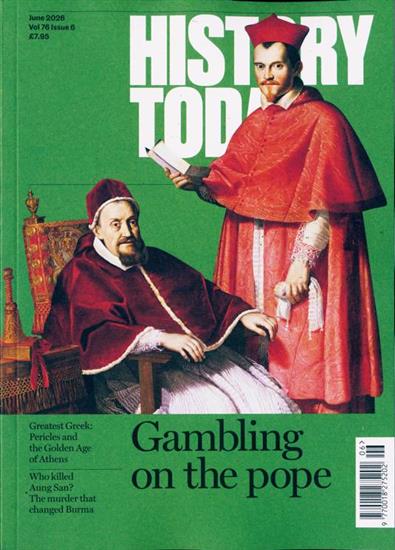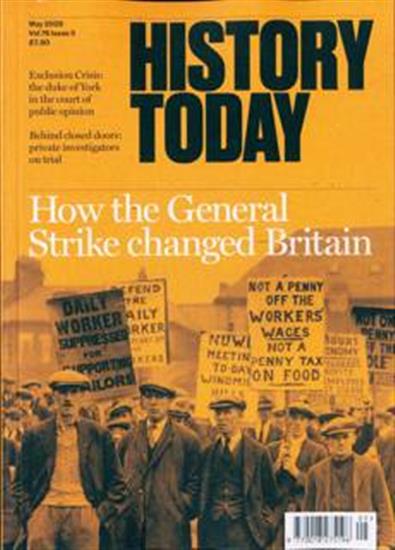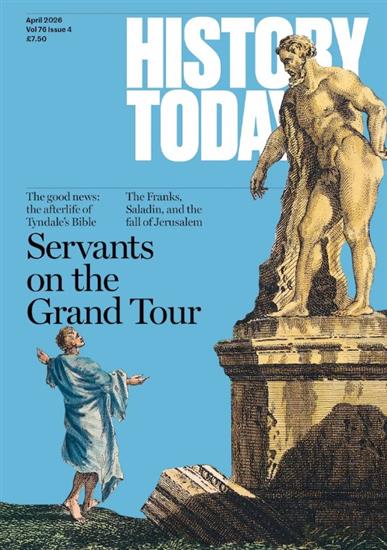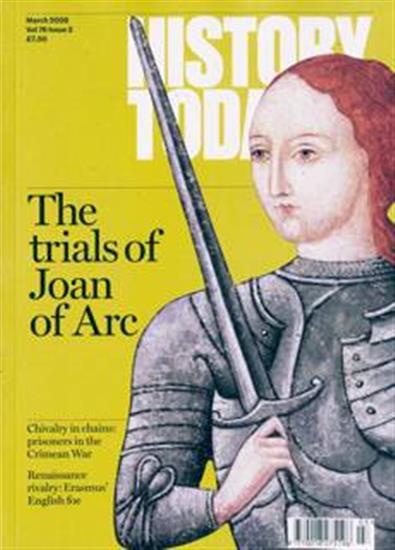



The FBI and the Nazi Spies
In 1938 a sensational spy trial exposed a Nazi plot to seduce and blackmail US officers. Despite America’s technological might, counterintelligence had been slow on the uptake. By Rhodri Jeffreys-Jones
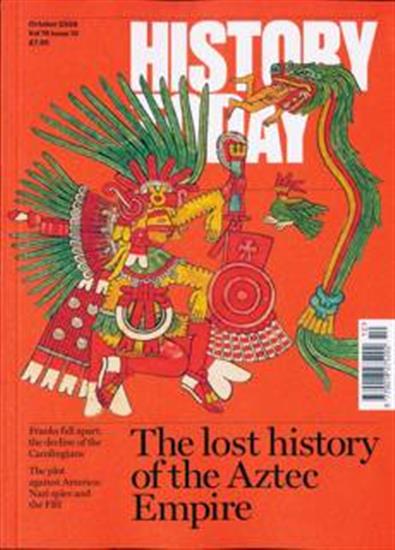
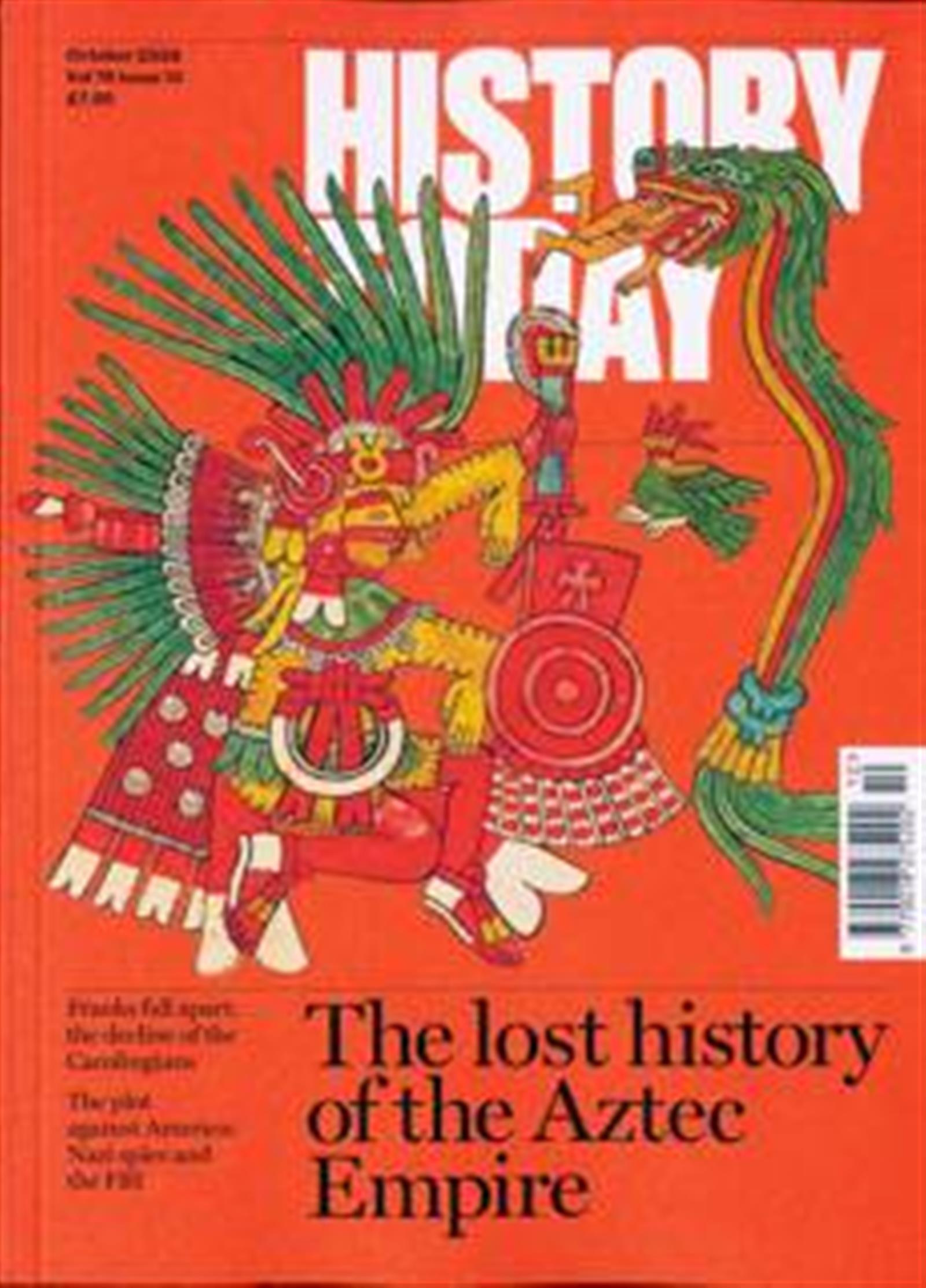
The Lost History of the Aztec Empire
Before the Spanish conquest, the history of the Aztec Empire was recorded orally and with hieroglyphs. In danger of being lost or forgotten, Indigenous historians began to write it down.
What is an Information Age?
From the printing press to the internet, the spread of information has changed the world. How do we recognise an age defined by it?
What the Victorians Read
The Victorian reading public had access to a vast array of classical literature from Asia in multiple translations by experts and amateurs. What did they read, and why?
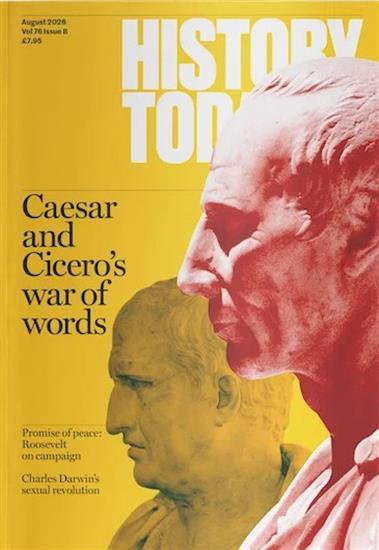
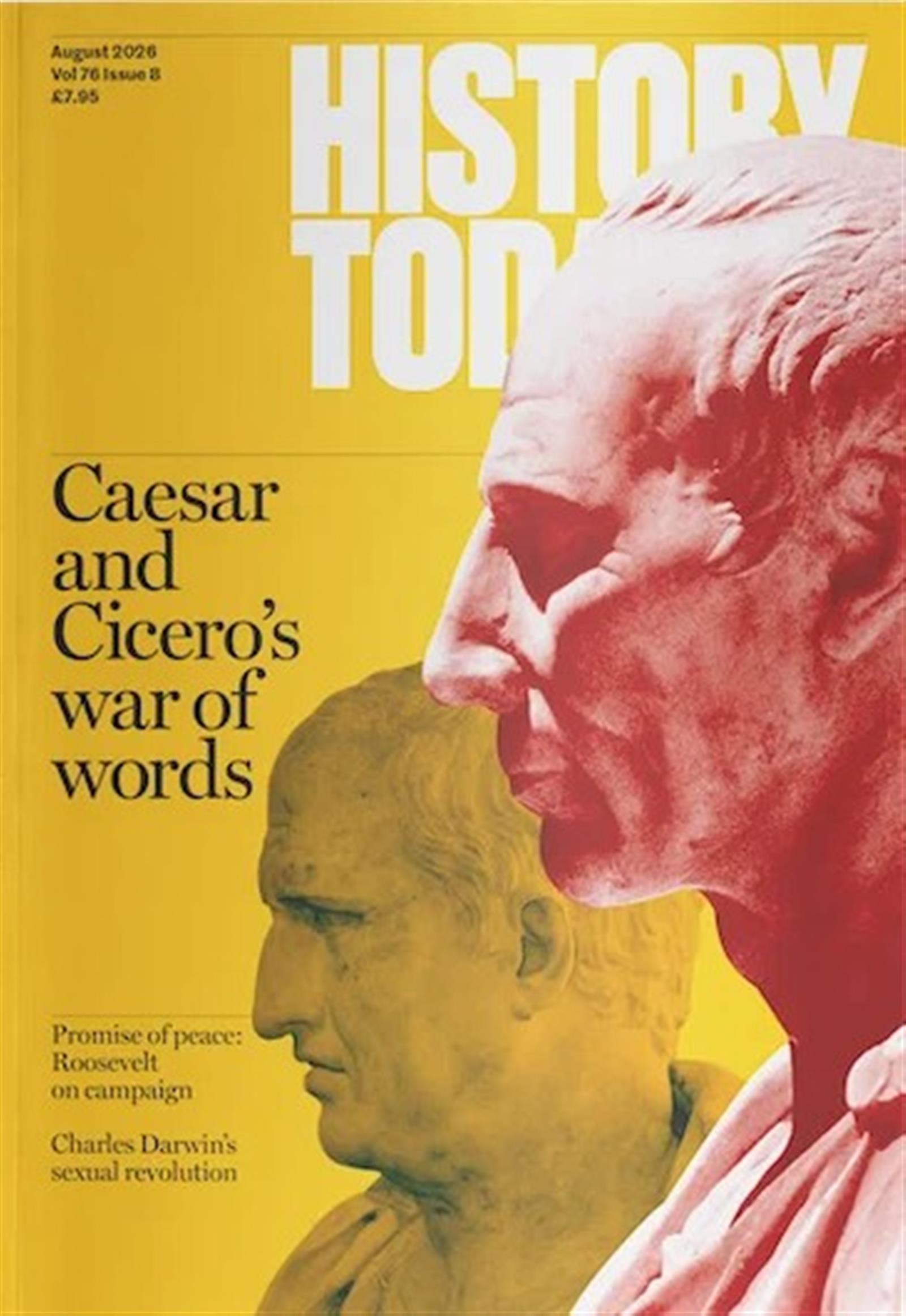
Caesar and Cicero’s War of Words
During the civil war of the late Roman Republic, Cicero found himself caught between political loyalty and personal interests. Caesar, once his political adversary, was gaining power, making an accommodation strategically expedient. Their relationship became increasingly complex, shaped by political convictions, personal dependencies and the shifting balance of power in Rome.
Charles Darwin’s Sexual Revolution
Charles Darwin’s theory of sexual selection challenged established Victorian ideas about gender, reproduction and social roles. Darwin himself confronted tensions between his scientific conclusions and the prevailing norms of his time. His theory therefore extended beyond biology, raising fundamental questions about gender, human behaviour and the social assumptions surrounding sexuality.
The Crusade of Hormuz
In 1514, canon Camilio Porti addresses Pope Leo X, praising the victories of Portuguese India’s viceroy Alfonso de Albuquerque and urging support from other Christian rulers. At the same time, envoy Tristão da Cunha arrives in Rome with captured booty and the elephant Hanno, who bows three times before the pope and sprays nearby cardinals with water.
‘Liberal Worlds’ by H.S. Jones review
James Bryce, born in Belfast in 1838 and proud of his Scottish roots, became a leading liberal scholar and politician through works like The Holy Roman Empire and The American Commonwealth. H.S. Jones’s biography portrays his global intellectual influence, his engagement with education, constitutional issues and diplomacy, alongside his controversial positions on race and women’s suffrage.
Britain's Titled Fascists
The British countryside of the 1930s was a happy hunting ground for the British Union of Fascists, where recruits sometimes came with titles and estates.
Saving the Forests of Revolutionary France
Forestry is a delicate balancing act between the needs of the present and those of the future. The French Revolution brought into question how France’s forests should be managed.
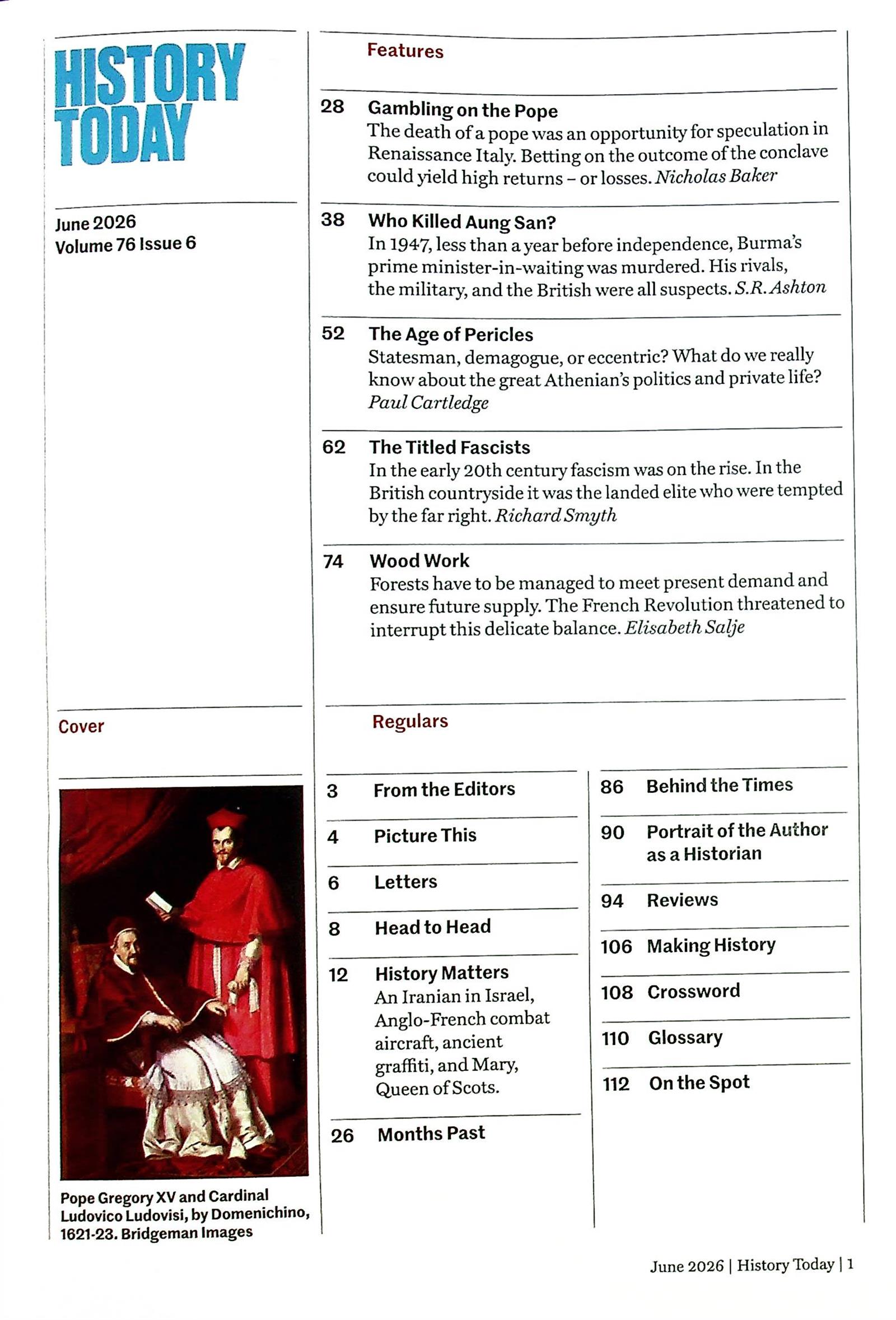
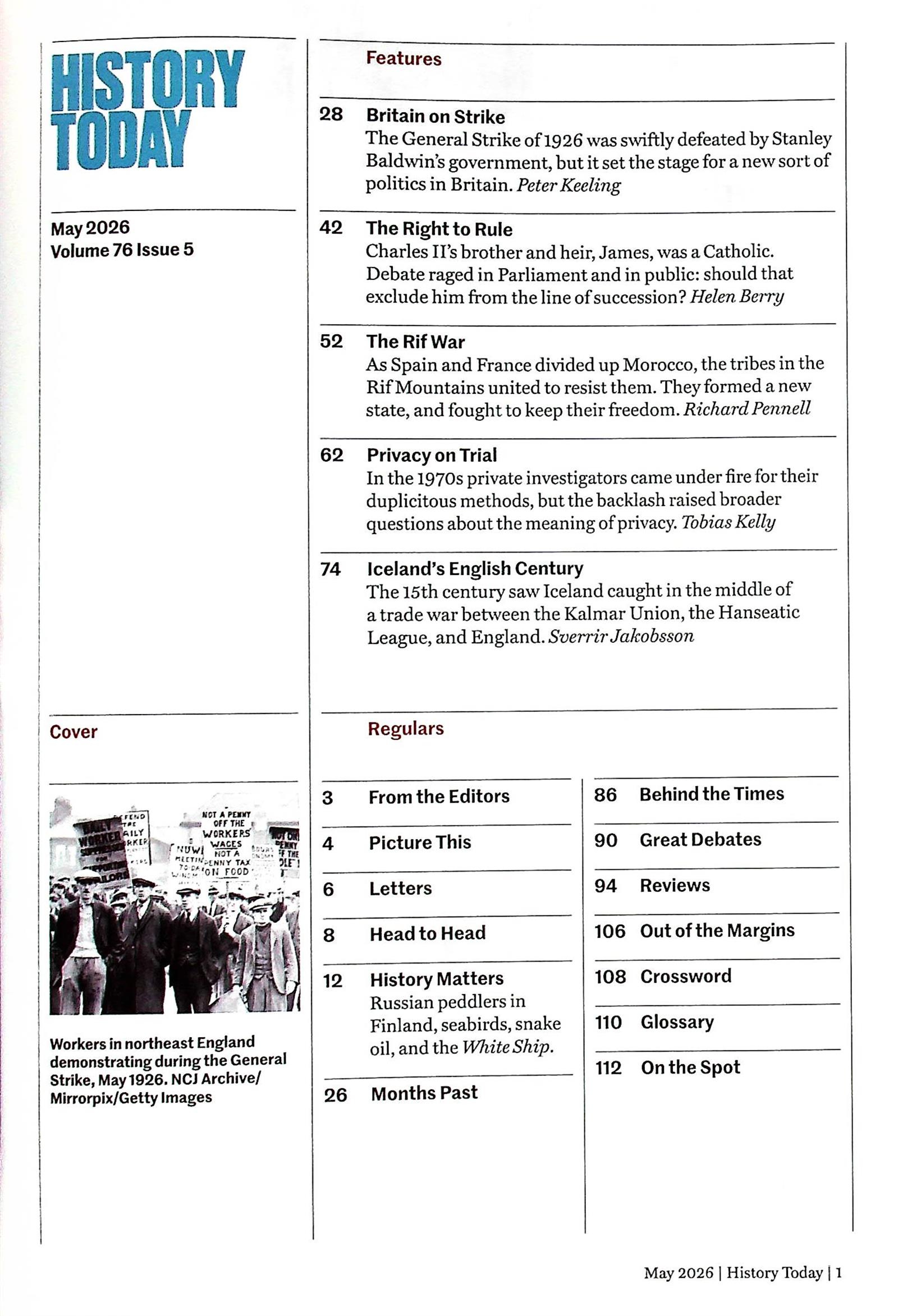
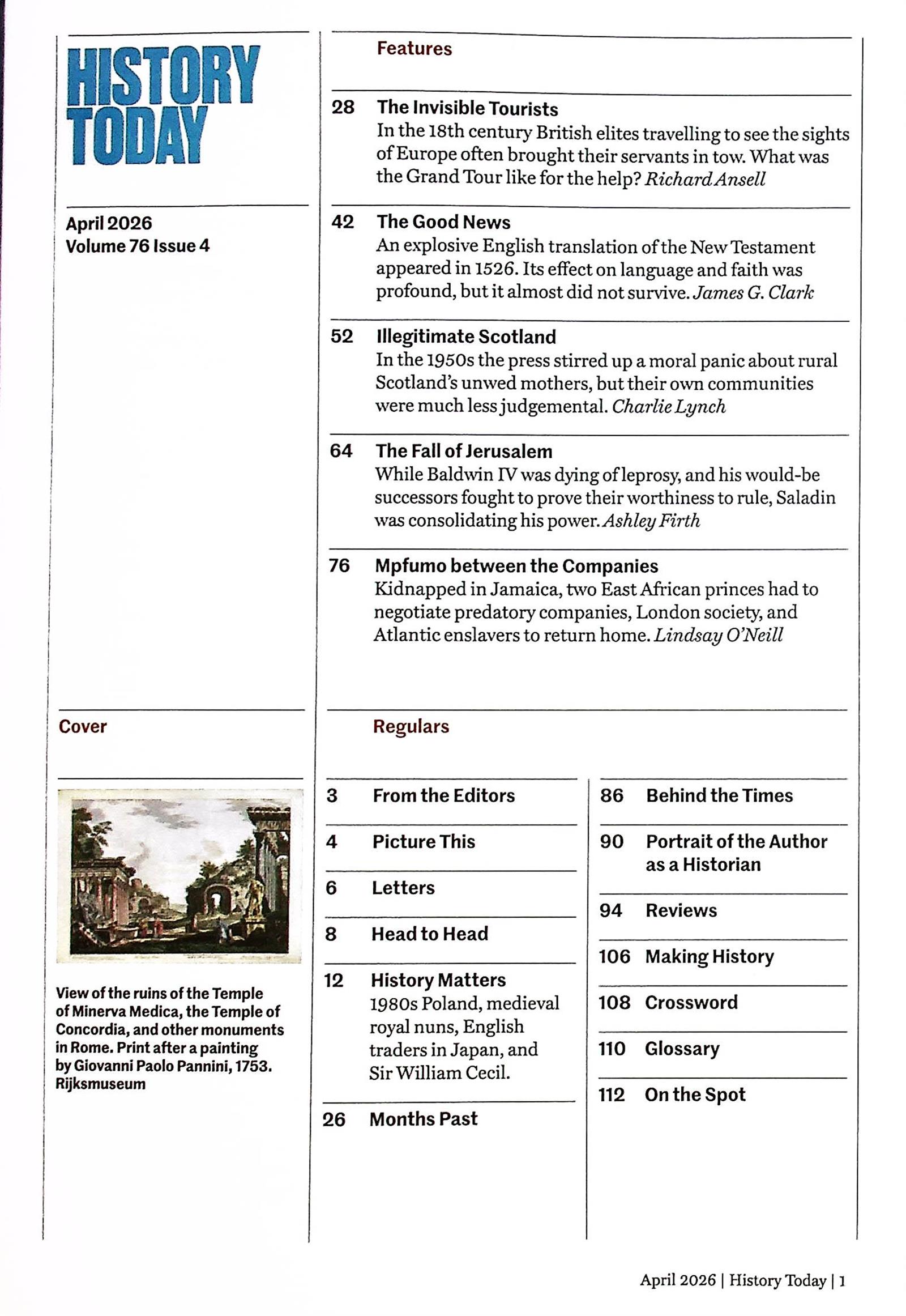
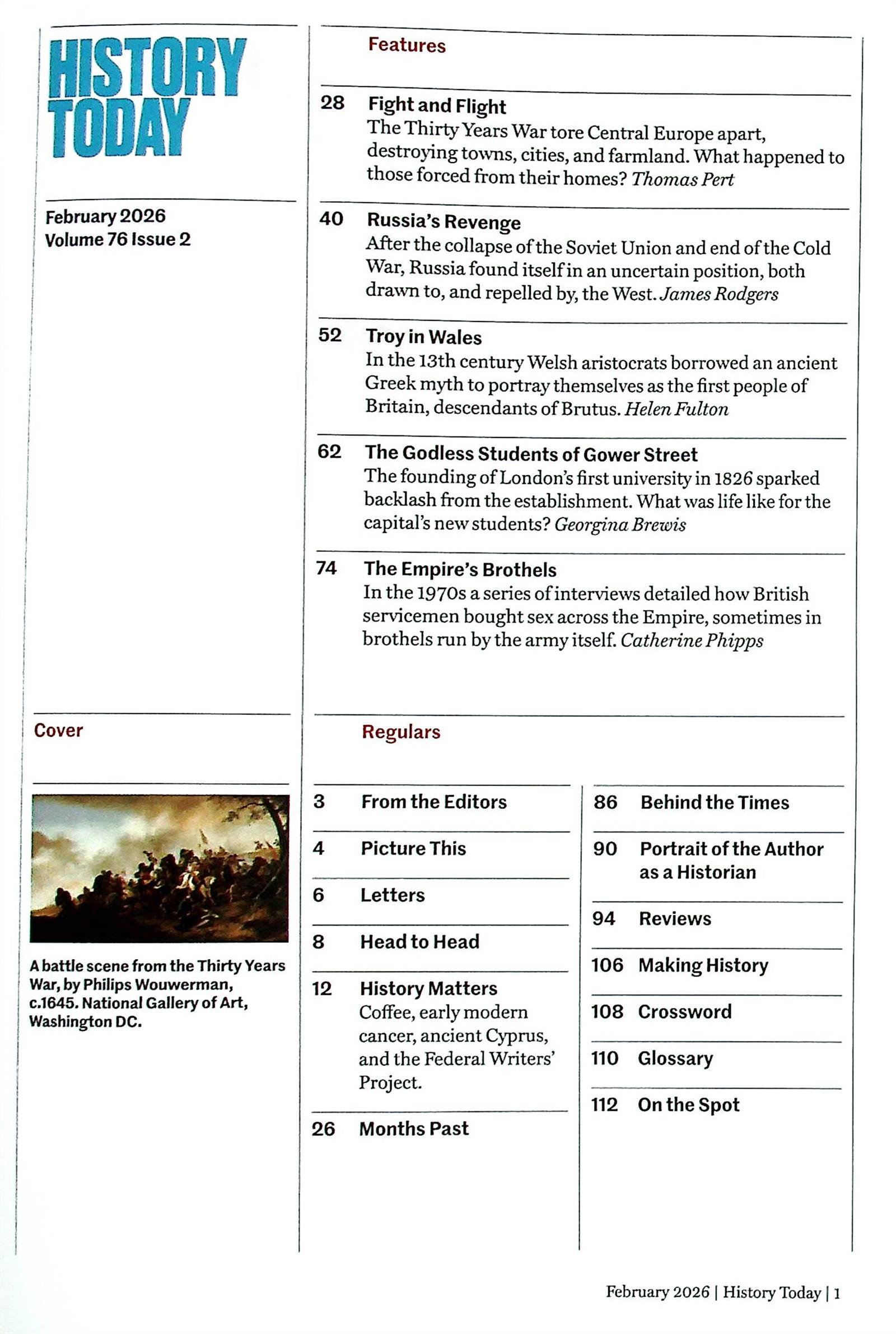
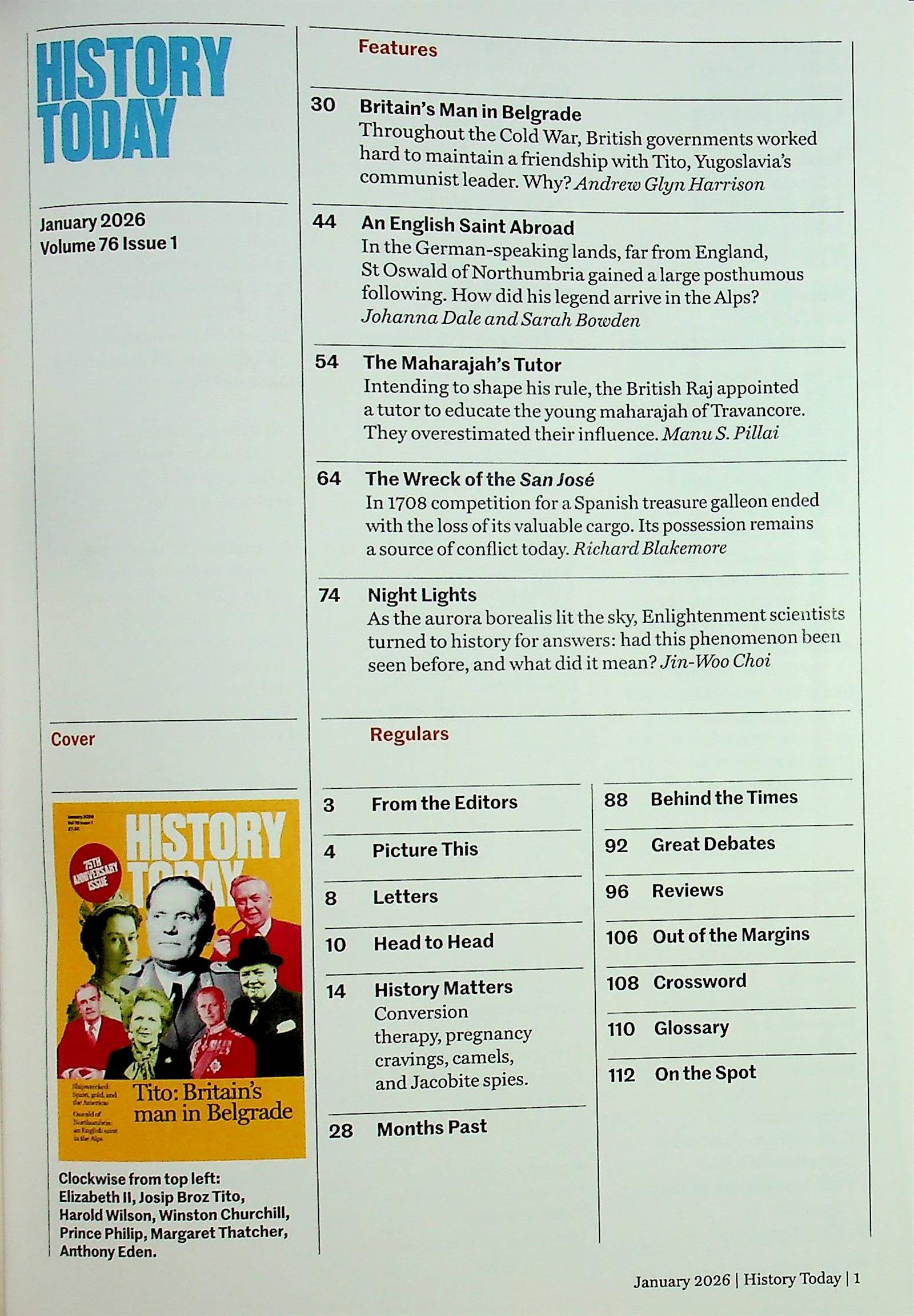
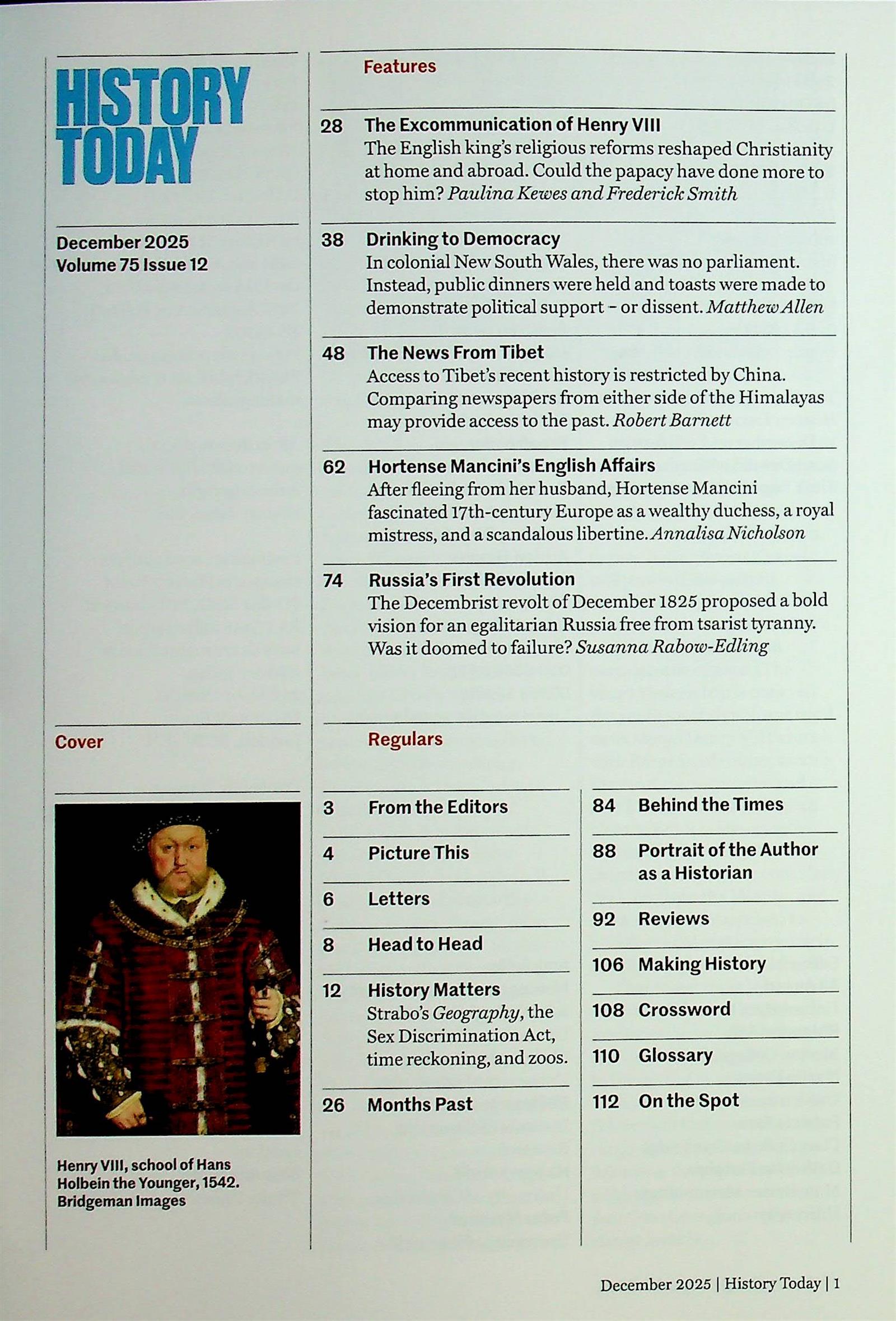
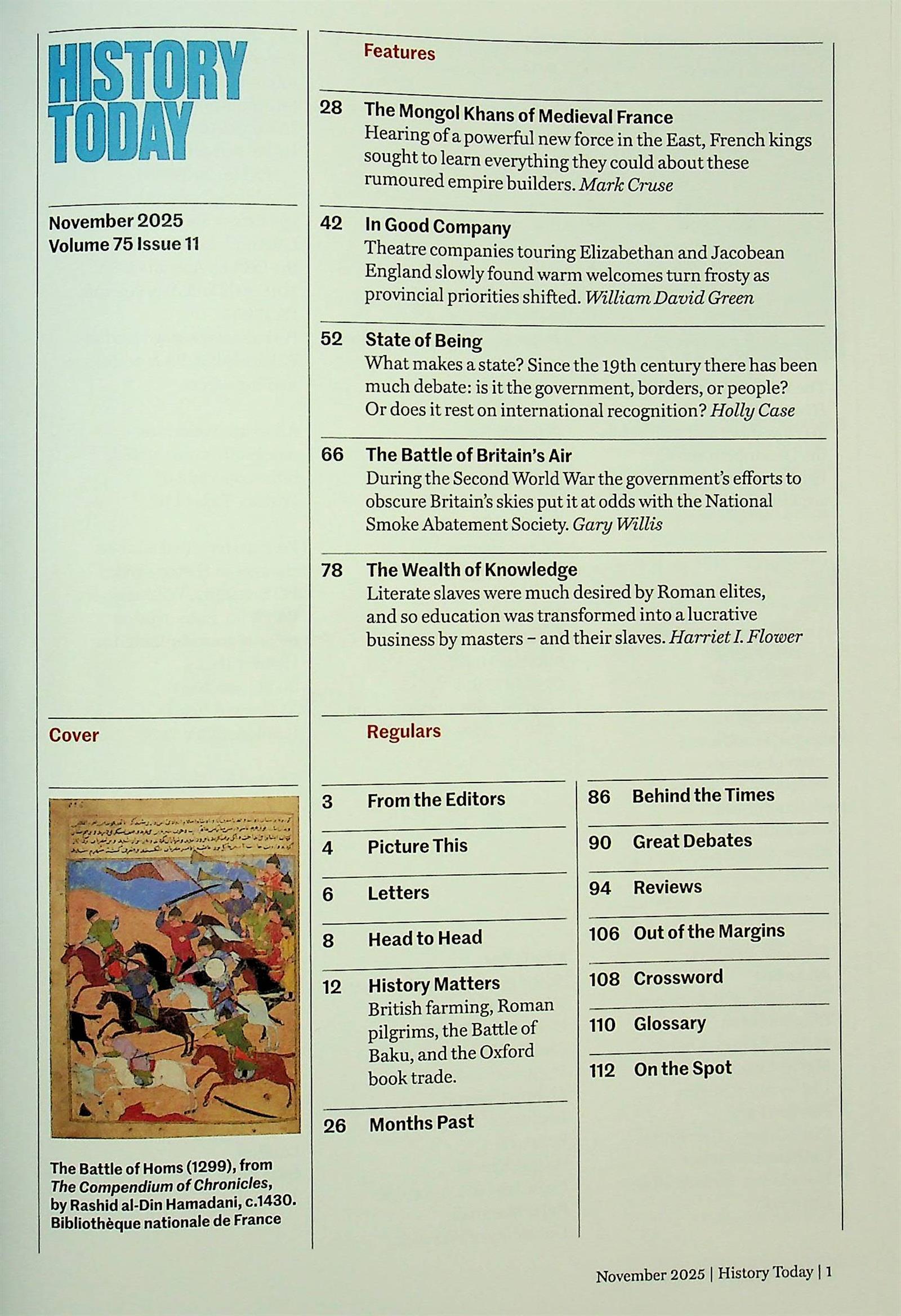
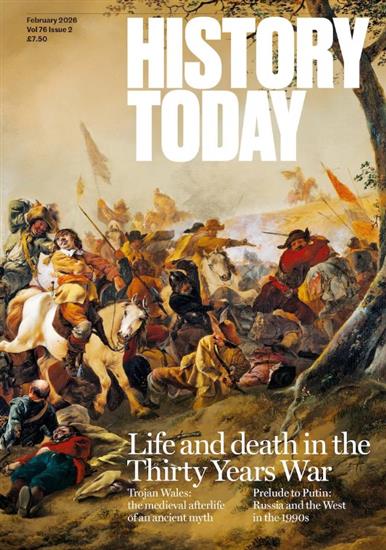
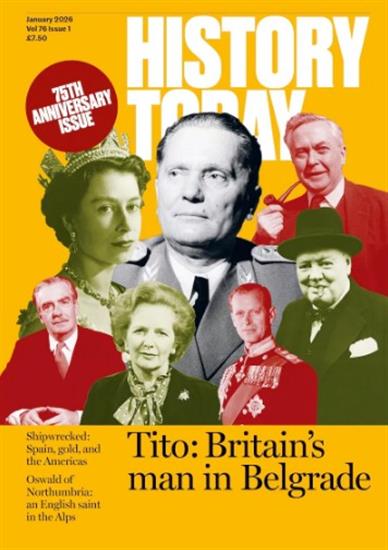
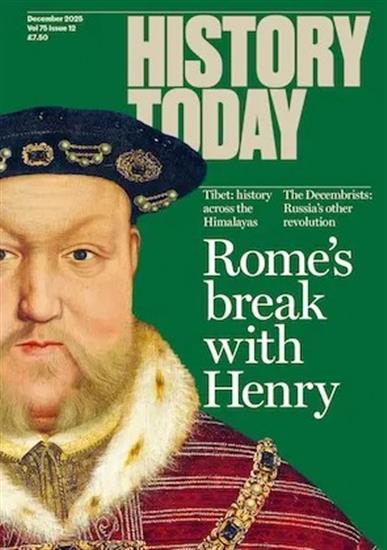
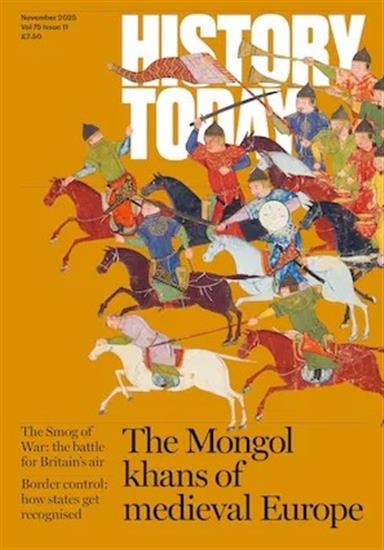
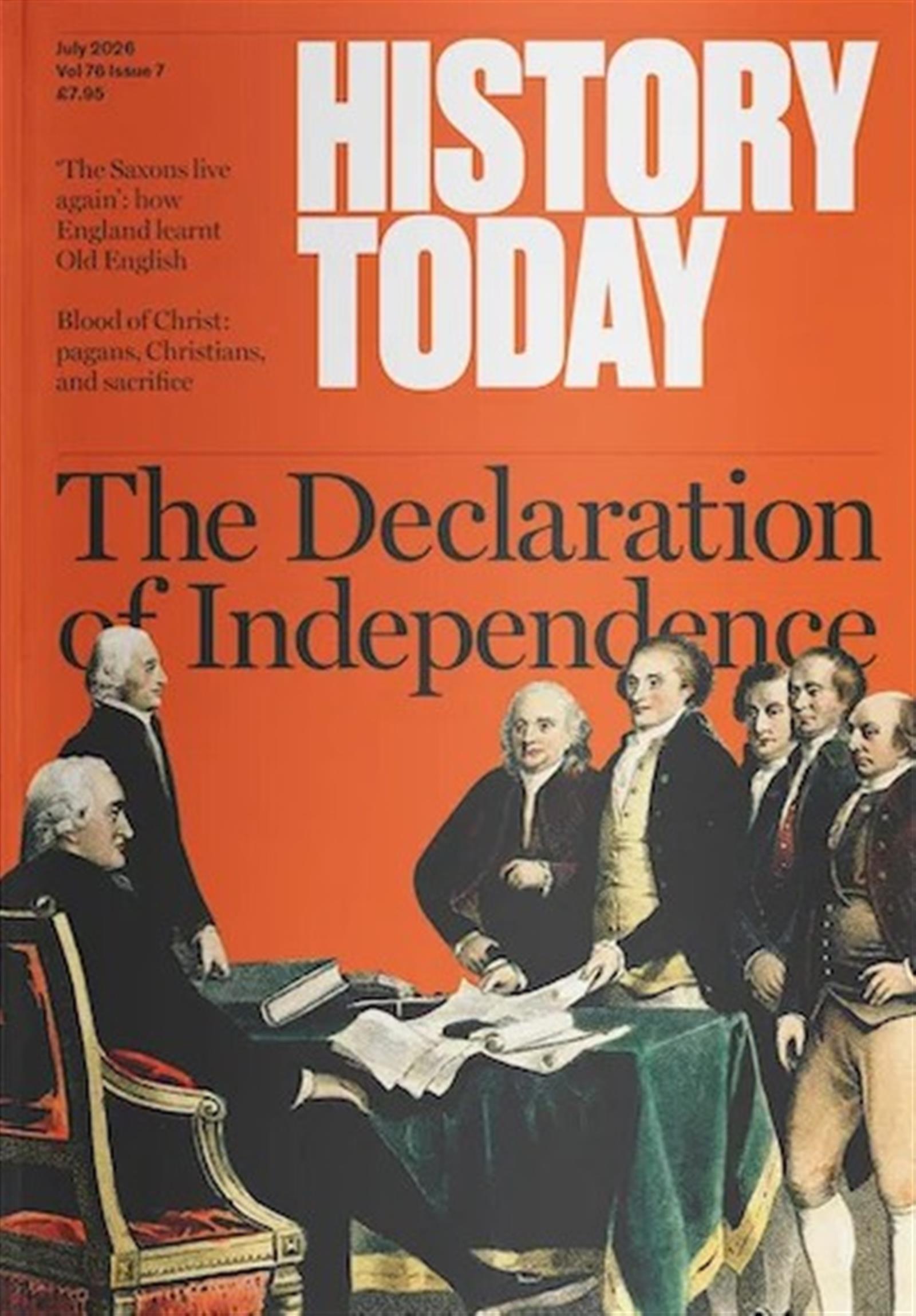
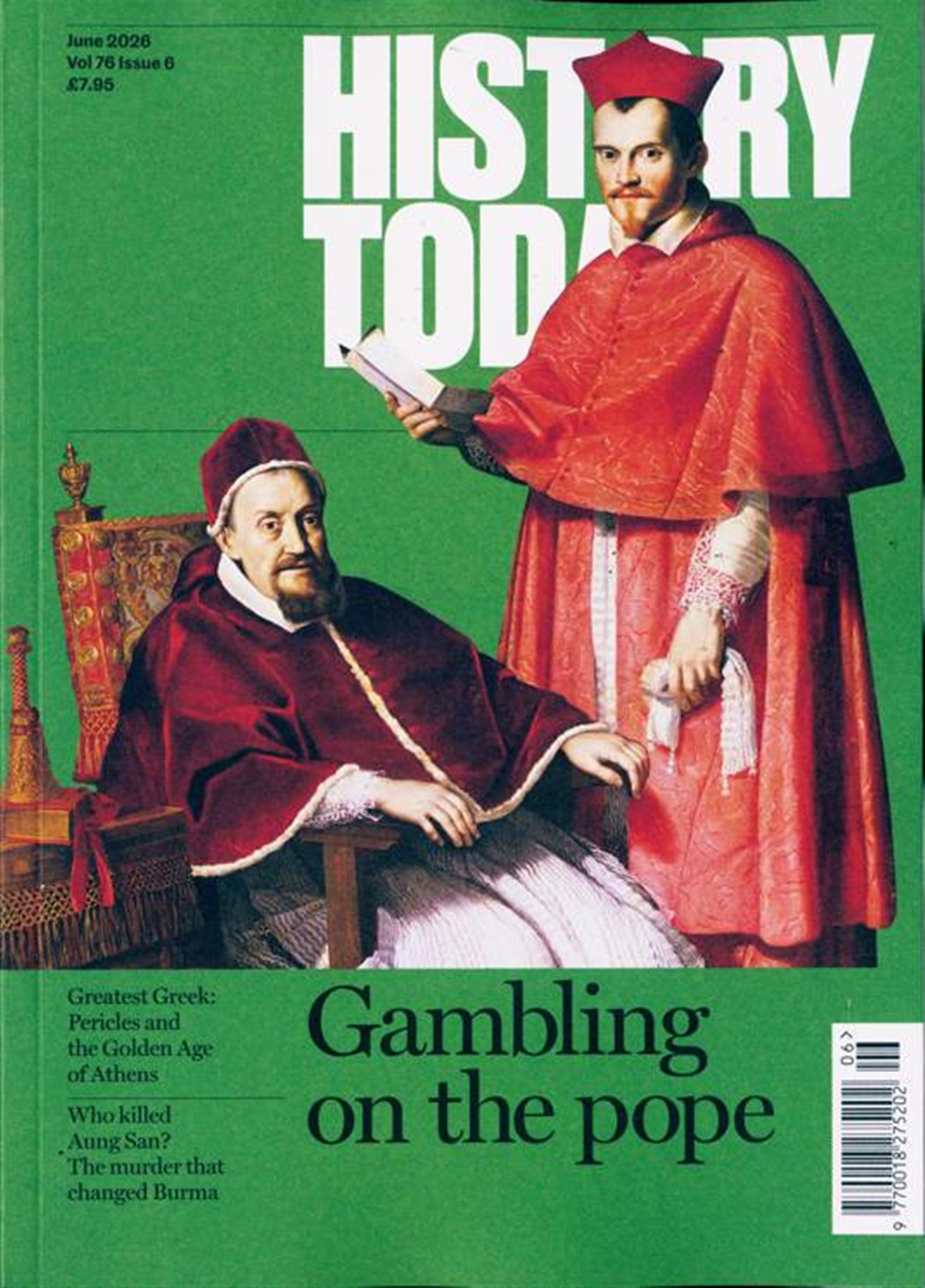
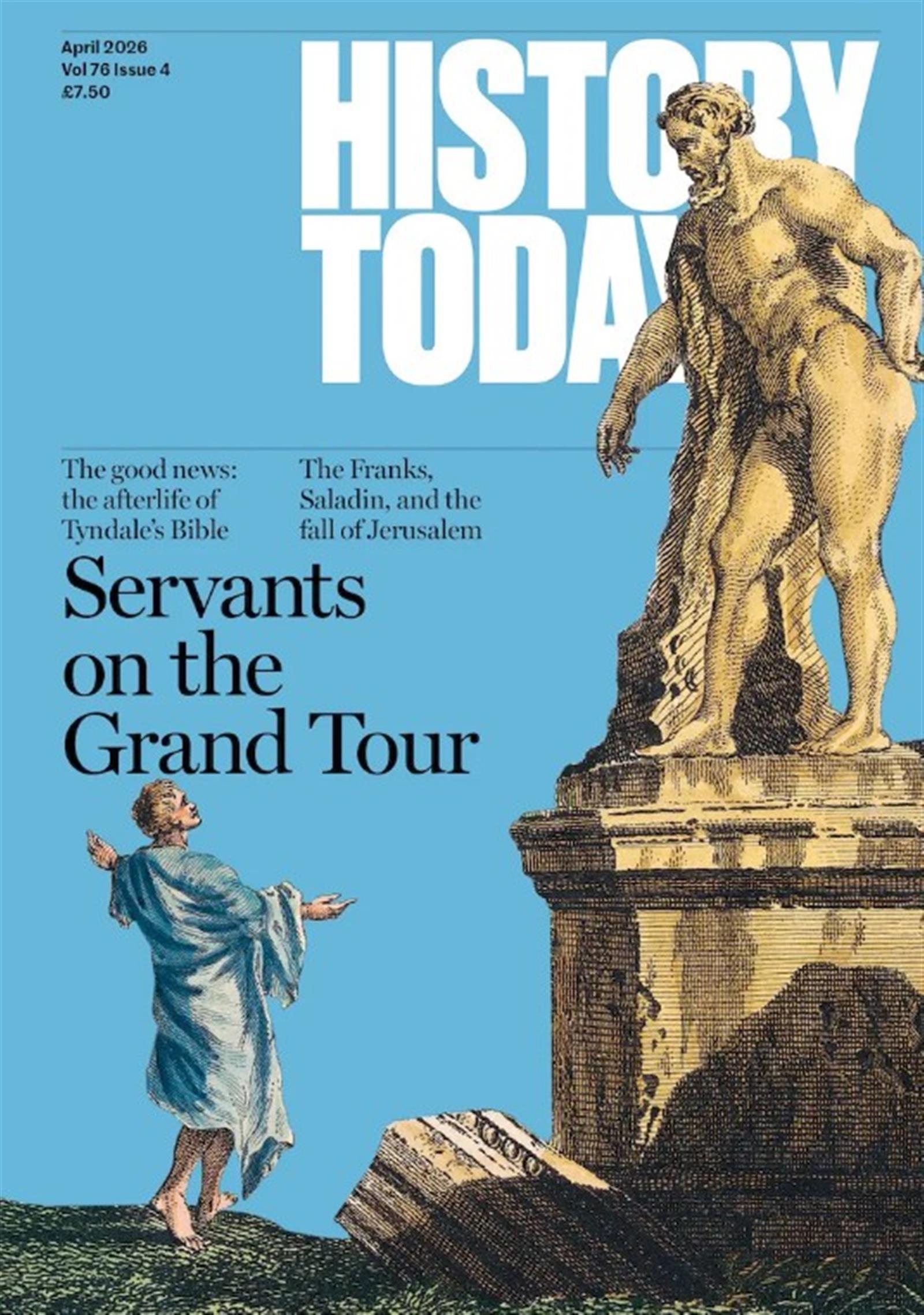
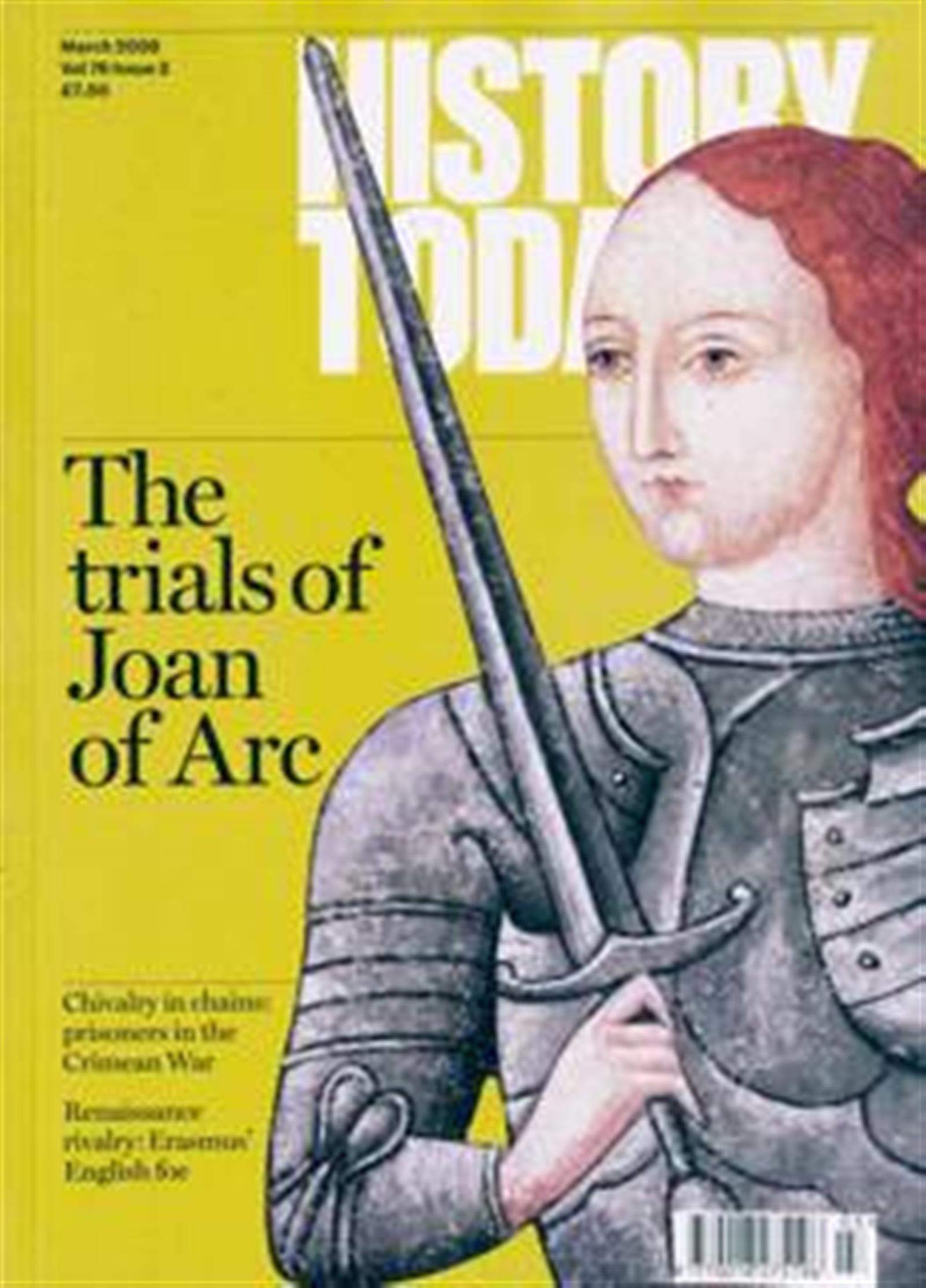
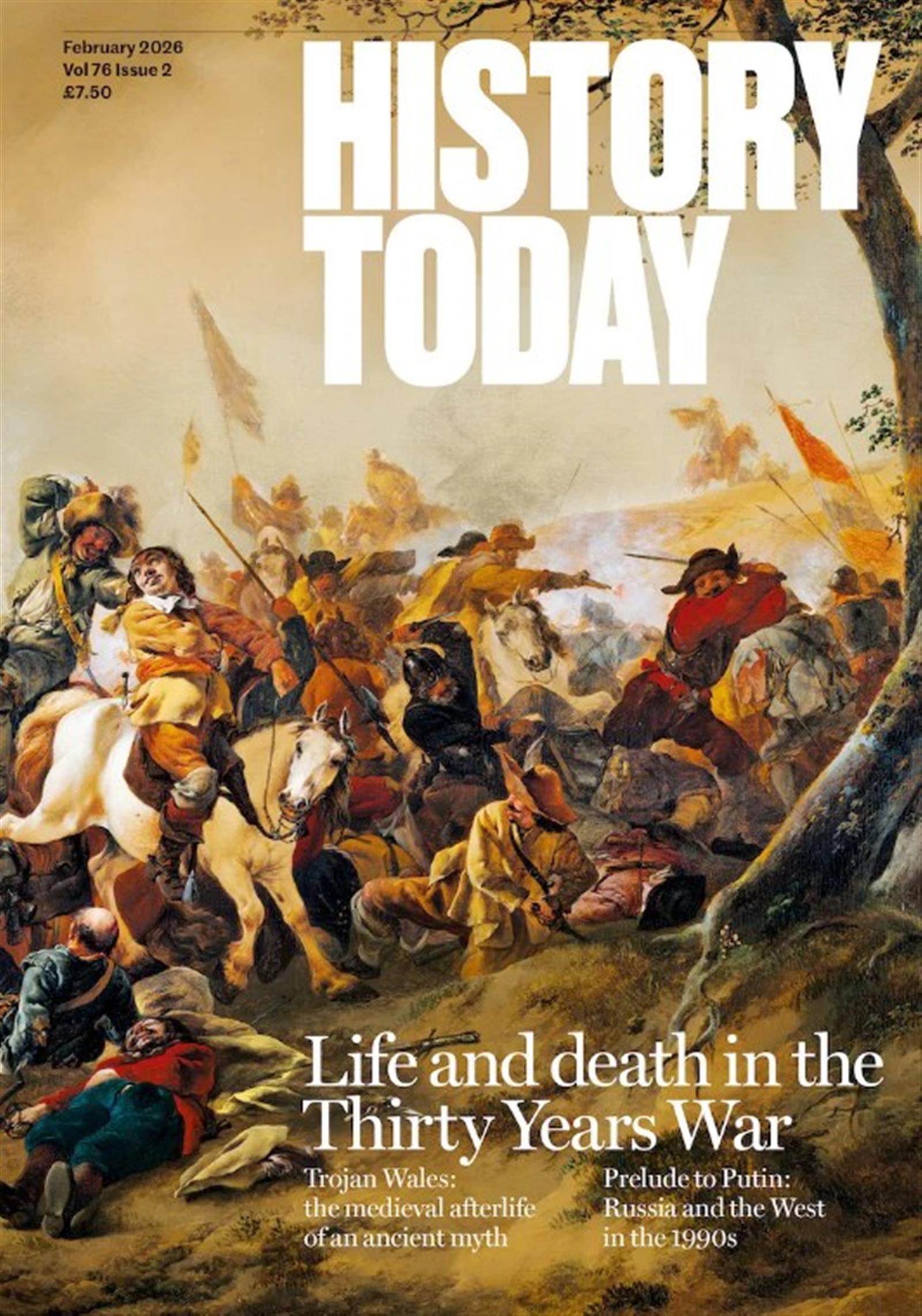
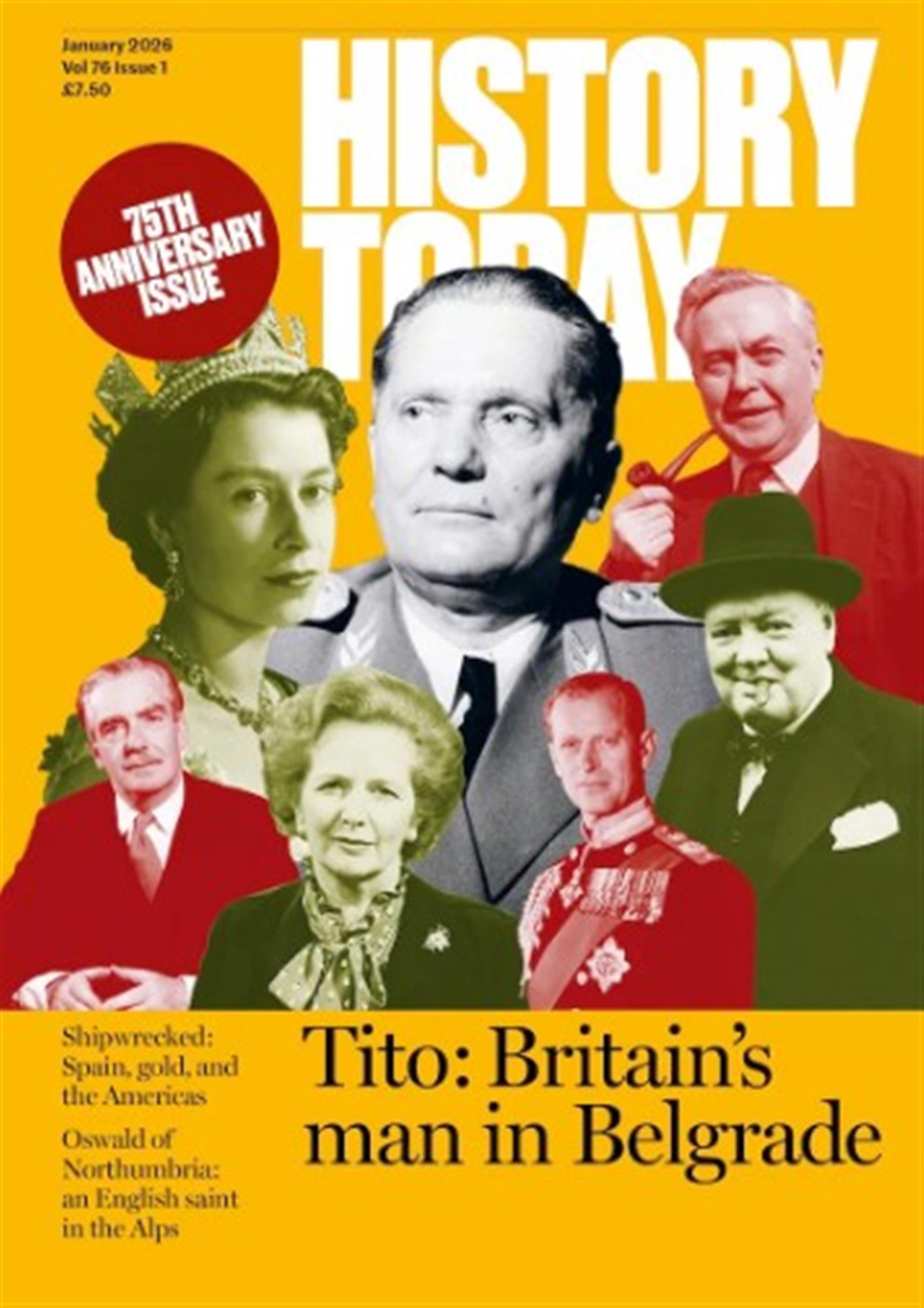
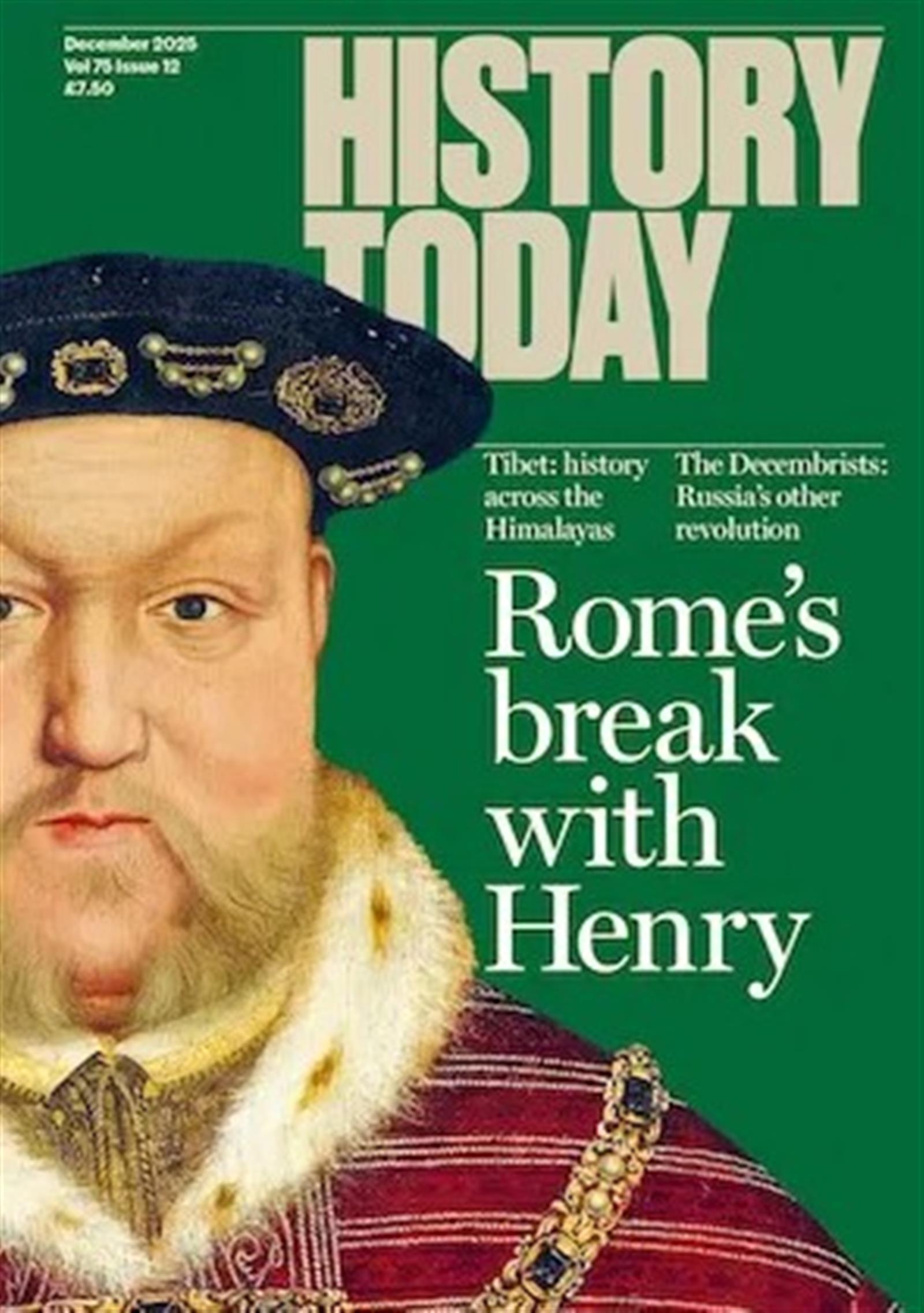
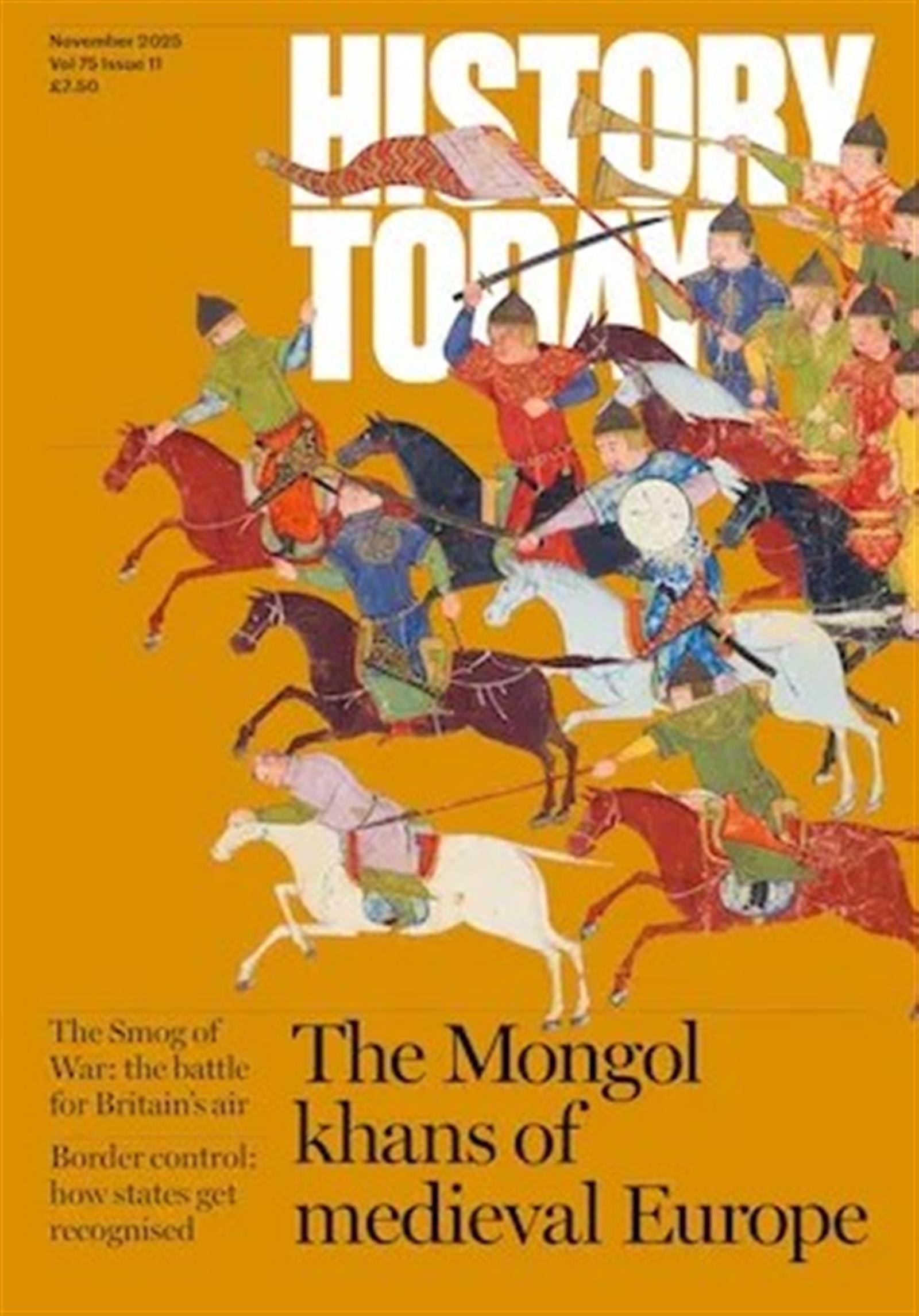
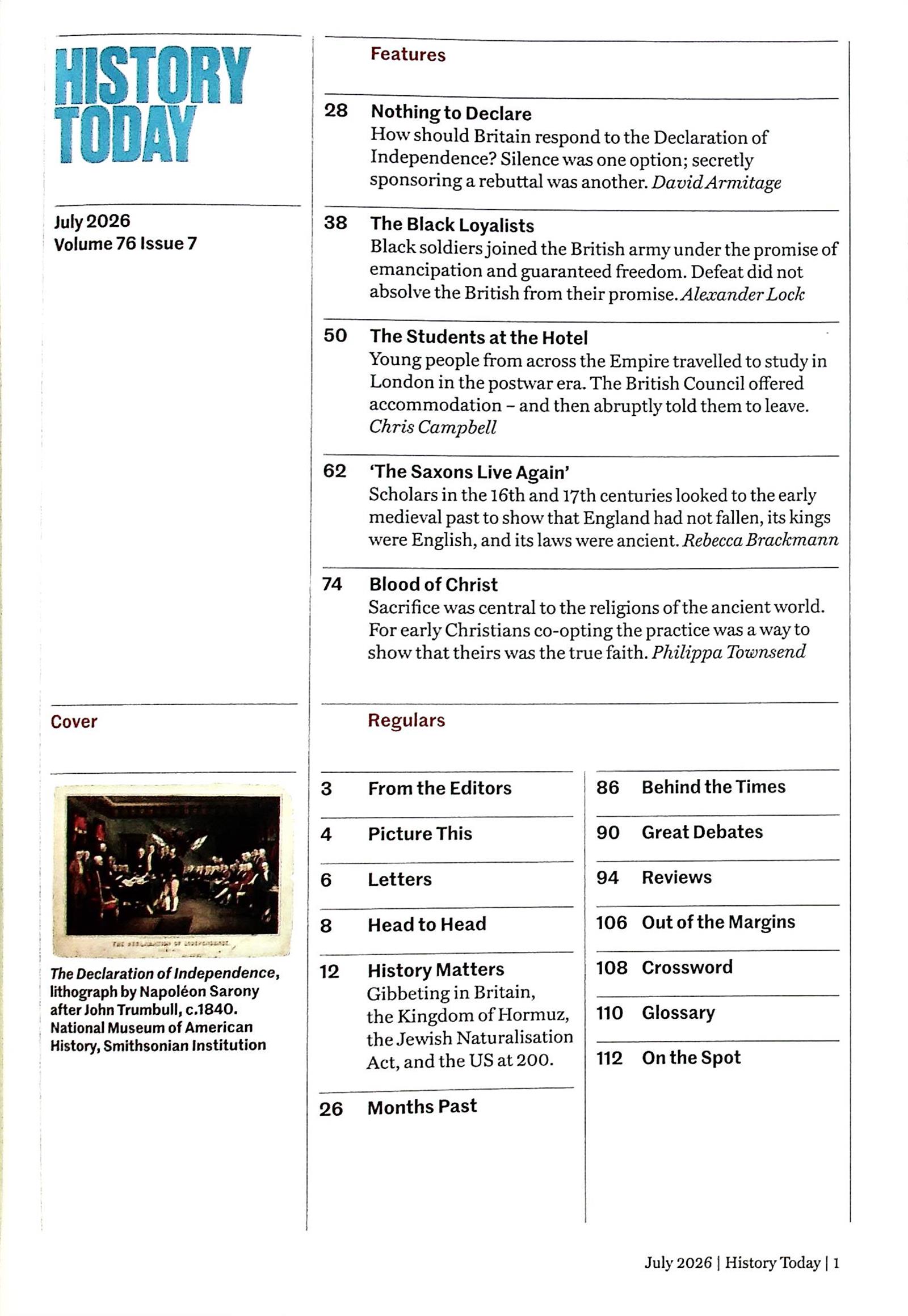
Wer seinerzeit im Geschichtsunterricht vorrangig mit Jahreszahlen zu gedröhnt wurde ohne diese Zahlen in bestimmte Zusammenhänge stellen zu können, der hatte – bei allem Respekt – den falschen Geschichtslehrer. Geschichte ist Vielfalt, ist Abwägung, ist ein immer mit weiteren Fakten zusammenhängendes, nie endendes Gebilde, das zu durchdringen den spannendsten Thriller in den Schatten stellt. Diese Vielfalt findet sich nun in den Ausgaben eines der ältesten Geschichtsmagazine wieder: History Today heißt dieses außergewöhnliche UK-Magazin in englischer Sprache.
Dieses Magazin begründete das Konzept der Populären Geschichte, die in ihrer Vielfalt so dargeboten wird, dass man nicht Geschichte studiert haben muss, um zu verstehen. Das Interesse an unabhängiger Geschichtsforschung, Kompetenz, neuesten Erkenntnissen, spezialisierten Autoren und fundiertem Wissen wird hier befördert, Zusammenhänge werden hergestellt, Geschichte als Erkenntnisgewinn für das Verständnis der Gegenwart präsentiert. Dabei geht es z.B. um Themen wie „Afrikas globale Makler“, die „Polizei im Nachkriegs-Wien“, die „Viktorianische Freakshow“, „Homosexualität in Indien“, „Russische Propaganda“ und „Die Geschichte des Gulaschs“... der Vielfalt wird in diesem Magazin ein großes Lob gesungen!
History Today deckt alle Epochen und geographischen Regionen ab. Dadurch findet sich für jeden Interessenten eine Ausgabe, die den Leser/die Leserin besonders anspricht. Das Magazin ist hochwertig aufbereitet und für ein breites Publikum geschrieben.
Das Magazin verführt mit seinen einerseits von fundiertem Wissen geprägten, andererseits sich durchaus auch skurrilen Ereignissen hingebenden Artikeln. Das macht Spaß und Lust auf mehr!
Die History Today erscheint im Verlag History Today Ltd. Gegründet wurde das Magazin 1951 von Brendan Bracken, Informationsminister nach dem Zweiten Weltkrieg, Vorsitzender der Financial Times und Leutnant von Sir Winston Churchill. Seit 1981 ist die Zeitschrift in unabhängiger Hand. Der aktuelle Herausgeber ist Paul Lay.
History Today fällt in die Kategorie der Geschichtszeitschriften. Ein weiteres englischsprachiges Heft ist die hochwertige BBC History Magazin. Mit der G Geschichte bleiben wir deutschsprachig und wenden uns unterschiedlichen Themen der Weltgeschichte zu. P.M.History präsentiert Momente der Weltgeschichte.
The FBI and the Nazi Spies
In 1938 a sensational spy trial exposed a Nazi plot to seduce and blackmail US officers. Despite America’s technological might, counterintelligence had been slow on the uptake. By Rhodri Jeffreys-Jones
The Lost History of the Aztec Empire
Before the Spanish conquest, the history of the Aztec Empire was recorded orally and with hieroglyphs. In danger of being lost or forgotten, Indigenous historians began to write it down.
What is an Information Age?
From the printing press to the internet, the spread of information has changed the world. How do we recognise an age defined by it?
What the Victorians Read
The Victorian reading public had access to a vast array of classical literature from Asia in multiple translations by experts and amateurs. What did they read, and why?
Caesar and Cicero’s War of Words
During the civil war of the late Roman Republic, Cicero found himself caught between political loyalty and personal interests. Caesar, once his political adversary, was gaining power, making an accommodation strategically expedient. Their relationship became increasingly complex, shaped by political convictions, personal dependencies and the shifting balance of power in Rome.
Charles Darwin’s Sexual Revolution
Charles Darwin’s theory of sexual selection challenged established Victorian ideas about gender, reproduction and social roles. Darwin himself confronted tensions between his scientific conclusions and the prevailing norms of his time. His theory therefore extended beyond biology, raising fundamental questions about gender, human behaviour and the social assumptions surrounding sexuality.
The Crusade of Hormuz
In 1514, canon Camilio Porti addresses Pope Leo X, praising the victories of Portuguese India’s viceroy Alfonso de Albuquerque and urging support from other Christian rulers. At the same time, envoy Tristão da Cunha arrives in Rome with captured booty and the elephant Hanno, who bows three times before the pope and sprays nearby cardinals with water.
‘Liberal Worlds’ by H.S. Jones review
James Bryce, born in Belfast in 1838 and proud of his Scottish roots, became a leading liberal scholar and politician through works like The Holy Roman Empire and The American Commonwealth. H.S. Jones’s biography portrays his global intellectual influence, his engagement with education, constitutional issues and diplomacy, alongside his controversial positions on race and women’s suffrage.
Britain's Titled Fascists
The British countryside of the 1930s was a happy hunting ground for the British Union of Fascists, where recruits sometimes came with titles and estates.
Saving the Forests of Revolutionary France
Forestry is a delicate balancing act between the needs of the present and those of the future. The French Revolution brought into question how France’s forests should be managed.
Wer seinerzeit im Geschichtsunterricht vorrangig mit Jahreszahlen zu gedröhnt wurde ohne diese Zahlen in bestimmte Zusammenhänge stellen zu können, der hatte – bei allem Respekt – den falschen Geschichtslehrer. Geschichte ist Vielfalt, ist Abwägung, ist ein immer mit weiteren Fakten zusammenhängendes, nie endendes Gebilde, das zu durchdringen den spannendsten Thriller in den Schatten stellt. Diese Vielfalt findet sich nun in den Ausgaben eines der ältesten Geschichtsmagazine wieder: History Today heißt dieses außergewöhnliche UK-Magazin in englischer Sprache.
Dieses Magazin begründete das Konzept der Populären Geschichte, die in ihrer Vielfalt so dargeboten wird, dass man nicht Geschichte studiert haben muss, um zu verstehen. Das Interesse an unabhängiger Geschichtsforschung, Kompetenz, neuesten Erkenntnissen, spezialisierten Autoren und fundiertem Wissen wird hier befördert, Zusammenhänge werden hergestellt, Geschichte als Erkenntnisgewinn für das Verständnis der Gegenwart präsentiert. Dabei geht es z.B. um Themen wie „Afrikas globale Makler“, die „Polizei im Nachkriegs-Wien“, die „Viktorianische Freakshow“, „Homosexualität in Indien“, „Russische Propaganda“ und „Die Geschichte des Gulaschs“... der Vielfalt wird in diesem Magazin ein großes Lob gesungen!
History Today deckt alle Epochen und geographischen Regionen ab. Dadurch findet sich für jeden Interessenten eine Ausgabe, die den Leser/die Leserin besonders anspricht. Das Magazin ist hochwertig aufbereitet und für ein breites Publikum geschrieben.
Das Magazin verführt mit seinen einerseits von fundiertem Wissen geprägten, andererseits sich durchaus auch skurrilen Ereignissen hingebenden Artikeln. Das macht Spaß und Lust auf mehr!
Die History Today erscheint im Verlag History Today Ltd. Gegründet wurde das Magazin 1951 von Brendan Bracken, Informationsminister nach dem Zweiten Weltkrieg, Vorsitzender der Financial Times und Leutnant von Sir Winston Churchill. Seit 1981 ist die Zeitschrift in unabhängiger Hand. Der aktuelle Herausgeber ist Paul Lay.
History Today fällt in die Kategorie der Geschichtszeitschriften. Ein weiteres englischsprachiges Heft ist die hochwertige BBC History Magazin. Mit der G Geschichte bleiben wir deutschsprachig und wenden uns unterschiedlichen Themen der Weltgeschichte zu. P.M.History präsentiert Momente der Weltgeschichte.
 4,40
4,63
4,73
4,50
4,62
4,62
4,28
4,33
4,77
4,68
4,40
4,63
4,67
4,76
4,22
4,61
4,77
4,59
4,80
4,83
4,80
4,14
4,77
4,55
4,36
4,75
4,60
4,17
5,00
4,73
4,40
4,63
4,73
4,50
4,62
4,62
4,28
4,33
4,77
4,68
4,40
4,63
4,67
4,76
4,22
4,61
4,77
4,59
4,80
4,83
4,80
4,14
4,77
4,55
4,36
4,75
4,60
4,17
5,00
4,73